
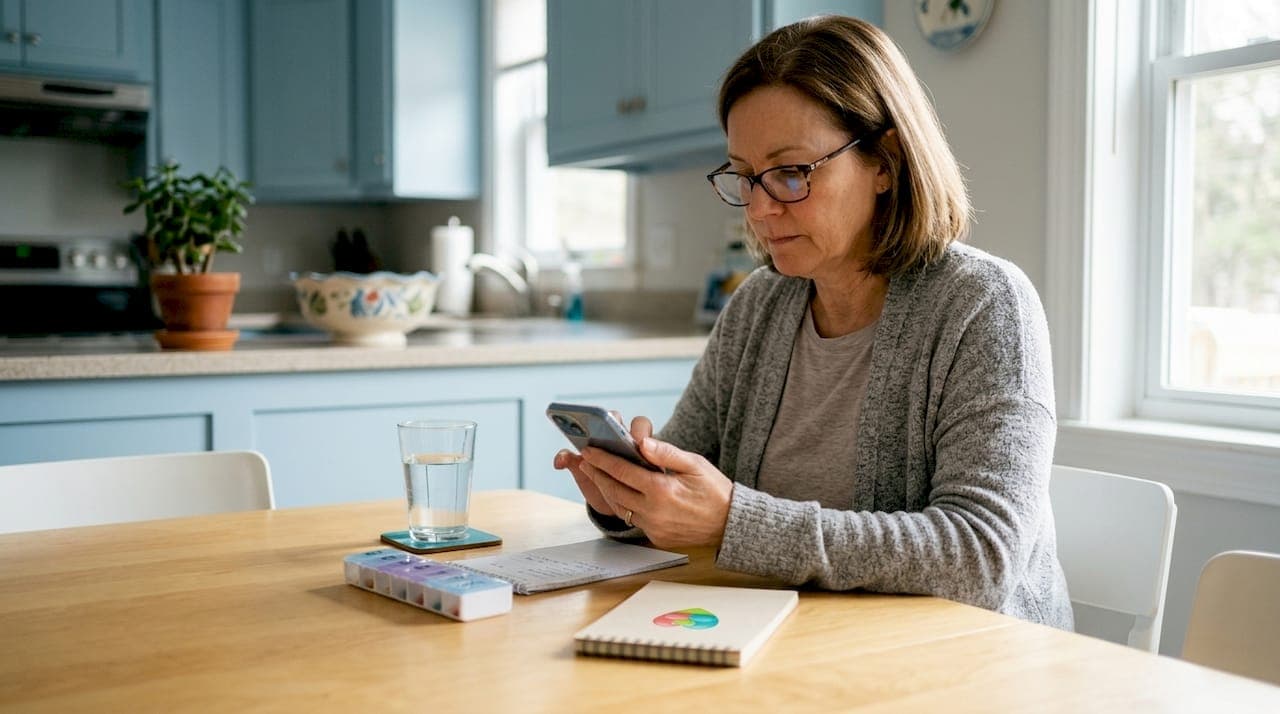
Digital medication reminders are tools designed to notify patients and carers when medications are due, significantly improving adherence and reducing the risk of dangerous errors. Known formally as medication adherence support systems, these tools range from apps like Medisafe to hospital-integrated platforms like WeChat-based reminder systems. Recent 2026 research confirms that multilevel digital interventions improve adherence by 20–59%, making the case for adoption stronger than ever. Whether you manage your own prescriptions or coordinate care for a loved one, understanding what these tools genuinely offer is worth your time.
1. what are the key benefits of digital medication reminders?
Digital medication reminders deliver their greatest value through personalised, timely alerts that match individual prescription schedules. Unlike a generic phone alarm, purpose-built apps adjust to dose frequency, timing windows, and medication type. That specificity is what separates a useful tool from a forgettable notification.
The core advantages include:
- Improved adherence through alerts timed to prescriptions, not just clock hours
- Fewer missed doses across complex regimens involving multiple drugs
- Reduced medication errors by flagging overdue doses and potential interactions
- Patient education built into app features, such as drug information cards and side-effect logs
- Caregiver coordination, allowing family members or carers to monitor dose completion remotely
- Pharmacy and provider sync, enabling shared medication lists that support clinical decisions
Pro Tip: Set reminders five minutes before the ideal dose time, not at the exact moment. This gives you a buffer to locate the medication before the window closes.
For anyone managing polypharmacy, meaning five or more medications daily, these benefits compound quickly. A missed dose of a blood thinner or thyroid medication carries real clinical risk, and a well-configured app closes that gap.
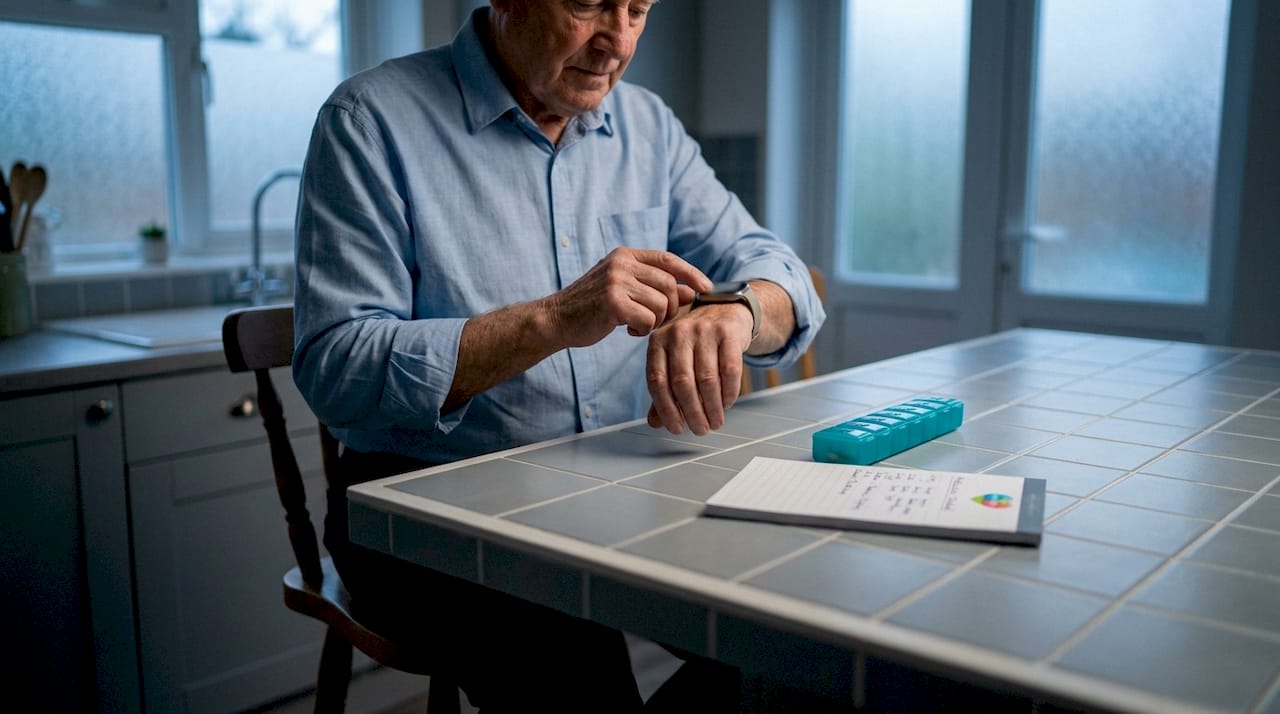
2. how do digital reminders compare to traditional methods?
The honest answer is that digital reminders outperform paper notes and simple alarms on objective measures, but the picture is more nuanced than it first appears.
A randomised controlled trial using the Sharp Health Companion app for cataract surgery patients found higher objective adherence and fewer surgery delays in the app group compared to printed instruction checklists. Interestingly, patients using printed checklists self-reported higher adherence. That gap between perceived and actual behaviour is exactly where digital tools add value.
| Method | Objective Adherence | User Experience | Caregiver Access | Education Features |
|---|---|---|---|---|
| Paper notes | Low | Simple | None | None |
| Basic phone alarm | Moderate | Familiar | None | None |
| Printed checklists | Moderate | Comfortable | None | Limited |
| Dedicated reminder app | High | Requires setup | Yes | Yes |
| Hospital-integrated platform | Highest | Guided | Yes | Yes |
A WeChat-based hospital platform demonstrated significantly higher compliance and treatment success compared to standard care. The key differentiator was real-time synchronisation with hospital information systems. When reminders update automatically as prescriptions change, the risk of acting on outdated information drops sharply.
3. what features make digital reminders most effective?
Not all reminder apps deliver the same results. The features that separate effective tools from ineffective ones are specific and worth knowing before you choose a platform.
The most impactful features include:
- Prescription-aligned timing: reminders that update when a GP or specialist changes a dose
- Hospital information system integration: real-time sync that removes manual update errors
- Multicomponent design: combining alerts with education, behavioural prompts, and follow-up
- Caregiver access: shared dashboards so family members can see dose history
- Medication list editing: the ability to add, remove, or adjust entries without contacting a provider
Research on thyroidectomy patients found that an 8-week reminder app with educational features significantly improved adherence at both four and eight weeks. The education component, not just the alert, drove the improvement. Apps that only send notifications without supporting behaviour change tend to lose effectiveness within weeks.
Pro Tip: When evaluating any reminder platform, check whether it updates automatically when your prescription changes. A reminder tied to an outdated dose is not just unhelpful. It is potentially harmful.
One underappreciated failure mode is "notification without action." A reminder that fires at the wrong time, or for a medication the patient has already stopped taking, trains users to ignore alerts entirely. Accurate setup and regular maintenance are non-negotiable.
4. the less obvious benefits: beyond the reminder itself
The most visible benefit of digital pill reminders is the alert. The less visible benefits are often more clinically significant.
Digitally shared medication lists reduce discrepancies and improve safety through automated checks, according to a scoping review of 24 studies. When a patient's full medication list is visible to both the carer and the prescribing clinician, errors at care transitions, such as hospital discharge or GP handovers, become far less likely.
| Benefit | Mechanism | Evidence Source |
|---|---|---|
| Reduced discrepancies | Shared, editable medication lists | Scoping review, 24 studies |
| Fewer readmissions | Accurate medication histories at transitions | WHO-referenced systematic review |
| Better clinical decisions | Real-time drug interaction checks | Hospital integration studies |
| Reduced drug burden | Digital pharmacist reviews | Retrospective cohort, elderly CKD patients |
Patient-held medication records fill critical information gaps that cause errors during care transitions, according to a systematic review referencing WHO data. That finding matters most for older adults moving between hospital, rehabilitation, and home care. A digital record that travels with the patient is far more reliable than a discharge letter that gets misplaced.
A multidisciplinary reconciliation service reduced medication discrepancies from over 60% to under 3% post-surgery in older adults. That is not a marginal improvement. It represents a near-elimination of a category of error that routinely causes harm.
5. how digital reminders help carers and families
Carers managing medication schedules for elderly relatives or children face a distinct set of challenges. The benefits of reminder apps extend well beyond the individual patient when household sharing and multi-patient management are built into the platform.
Wearable devices with reminder functions combined with nurse or carer interaction showed adherence improvements in seven of nine reviewed studies. The interaction component was identified as the key factor. A reminder app used in isolation by a frail older adult with cognitive decline is far less effective than the same app used within a supported care workflow.
For carers, the practical advantages are concrete. Shared dashboards show whether a dose was taken or skipped. Overdue alerts notify the carer, not just the patient. Medication history logs support accurate reporting at GP appointments. These features reduce the cognitive load on carers who are already managing complex, time-sensitive responsibilities.
Pro Tip: If you are caring for an elderly relative, look for a platform that supports multi-patient management and sends alerts to both the patient and a named carer. Dual notification is the single most effective design feature for supported care settings.
6. the role of digital medication history reviews
Digital medication history reviews are a distinct but closely related benefit. Where reminders prompt future action, history reviews capture what has already happened and make that data useful.
Digital pharmacist medication reviews reduced medication burden and fall risk in elderly patients with chronic kidney disease and polypharmacy. The reviews were only possible because accurate dose logs existed. Without a reliable history, a pharmacist or GP cannot identify patterns such as consistently skipped evening doses or recurring side effects logged on specific days.
Medication logs also support better clinical decisions at appointments. A patient who arrives with three months of dose history, symptom notes, and flagged interactions gives their clinician far more to work with than one who relies on memory alone. The benefits of digital medication history reviews are therefore most visible at the point of care, not just at home.
7. practical advice for getting the most from digital reminders
Knowing the advantages of medication alerts is one thing. Getting them to work reliably in daily life requires a few specific habits.
The most effective approach combines several elements:
- Pair reminders with an editable medication list that reflects current prescriptions, not last month's
- Update reminder timing immediately when a prescription changes, even by 30 minutes
- Involve a carer or family member in the setup process to create a second layer of accountability
- Choose platforms with drug interaction checks built in, not just alert functions
- Review the medication log weekly to spot patterns before they become problems
Only 28.5% of patients in one study of 400 chronic patients used medication reminders, and reminder use alone did not significantly improve adherence without proper setup and support. That finding is a warning, not a reason to avoid digital tools. It means configuration and context matter as much as the technology itself.
The importance of pill reminders is not in the notification. It is in the system built around it.
Key takeaways
Digital medication reminders improve adherence and reduce errors only when they are accurately configured, regularly updated, and supported by caregiver involvement and educational features.
| Point | Details |
|---|---|
| Reminders need proper setup | Poorly configured alerts do not improve adherence; accurate timing and current prescriptions are required. |
| Multicomponent tools outperform alerts alone | Apps combining education, notifications, and follow-up show the strongest adherence outcomes. |
| Shared medication lists add safety | Digitally shared lists reduce discrepancies and support safer care transitions. |
| Carer involvement amplifies results | Reminder tools paired with human support are more effective than standalone notifications. |
| History reviews support clinical decisions | Accurate dose logs enable better pharmacist and GP reviews, reducing medication burden. |
Why i think most people are using reminder apps wrong
The conversation around digital medication reminders tends to focus on whether they work. The more useful question is why they fail when they do.
In my experience reviewing the evidence and working through how these tools function in real care settings, the single biggest mistake is treating a reminder app as a set-and-forget solution. A patient who sets up an app once, never updates it after a prescription change, and ignores the occasional alert is not using a medication adherence tool. They are using a slightly more sophisticated alarm clock.
The research backs this up. The thyroidectomy trial showed that education combined with reminders drove adherence improvement, not alerts alone. The Malaysian study found that reminder use without proper setup produced no significant adherence benefit. These are not edge cases. They reflect how most people actually use these tools.
What genuinely works is treating the app as part of a broader medication management system. That means editable medication lists, regular reconciliation when prescriptions change, and a carer or family member who is looped in. It also means choosing a platform that does more than send notifications, one that logs history, checks interactions, and supports communication with healthcare professionals.
The positive potential here is real. When digital reminders are implemented as part of a complete system, the evidence for improved adherence and reduced errors is consistent and meaningful. The tools are not the problem. The way most people deploy them is.
— Prasant
Manage medications with confidence using Thedailydosetracker
If you are looking for a platform that puts these principles into practice, Thedailydosetracker is built specifically for carers, patients, and families managing daily medication routines. It combines real-time dose alerts, editable medication lists, drug interaction checks, and shared household access in a single progressive web app that works across all devices.
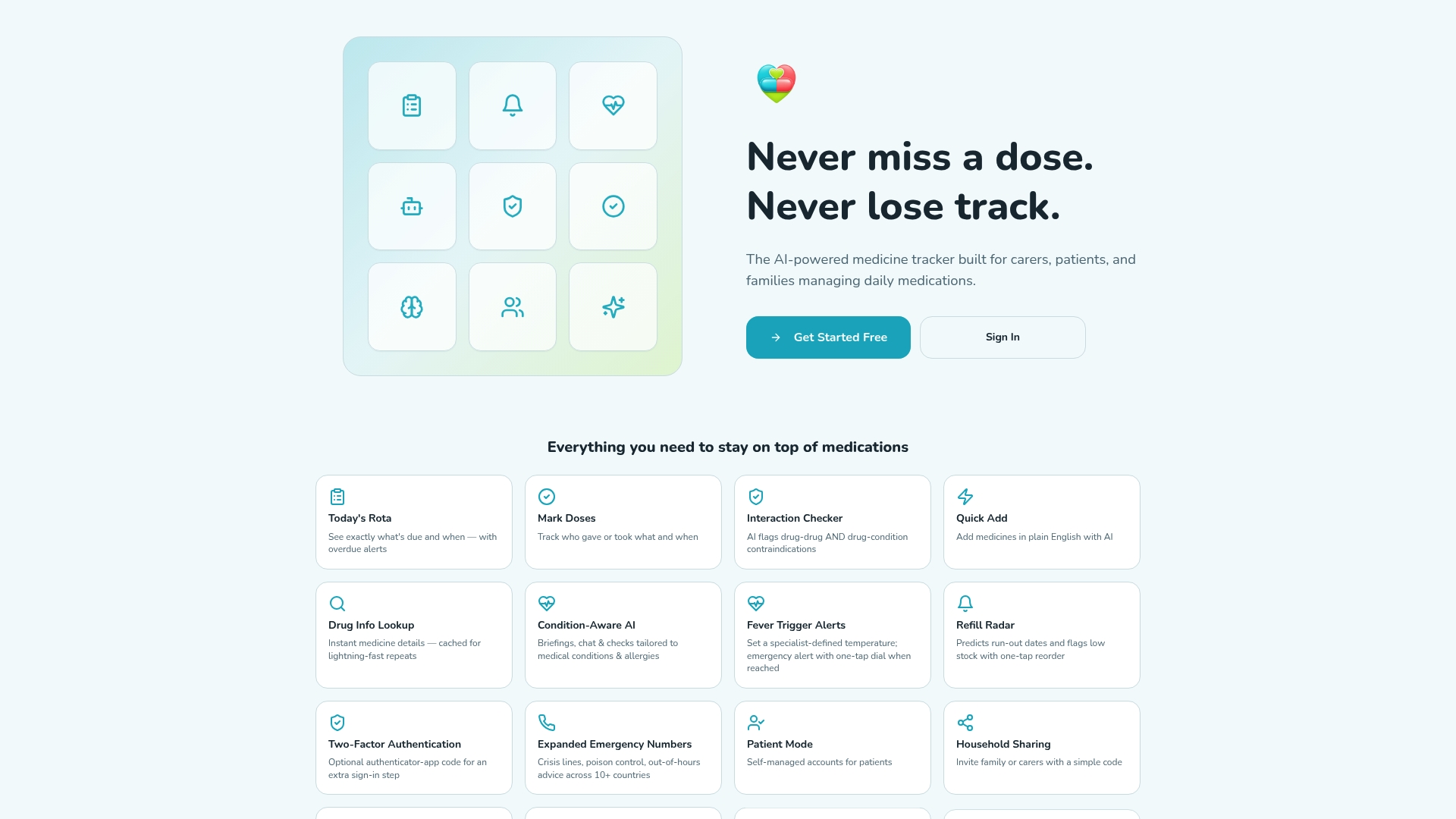
Thedailydosetracker supports multi-patient management, carer notifications, symptom logging, and appointment scheduling, all compliant with UK GDPR standards. Whether you are managing one person's complex regimen or coordinating care across a household, the platform gives you the tools to do it accurately. Explore the full feature set and pricing or go straight to the free app for carers to get started today.
FAQ
Do digital medication reminders actually improve adherence?
Yes, when properly configured. Multilevel digital interventions improve adherence by 20–59%, but reminders used without proper setup and support show limited benefit on their own.
What is the difference between a reminder app and a medication management platform?
A reminder app sends alerts. A medication management platform combines alerts with dose logging, drug interaction checks, shared medication lists, and caregiver access, making it a complete adherence support system.
Are digital reminders safe for elderly patients?
Yes, and they are particularly valuable for older adults managing polypharmacy. Wearable reminders paired with carer interaction showed adherence improvements in the majority of reviewed studies, with human support identified as the key factor.
How do i choose the right medication reminder platform?
Look for prescription-aligned timing, editable medication lists, drug interaction checks, caregiver access, and a clear data ownership policy. Platforms that integrate with healthcare providers offer the strongest safety outcomes.
Can digital medication history reviews help at GP appointments?
Absolutely. Accurate dose logs and symptom records give clinicians far more useful information than patient recall alone, supporting better prescribing decisions and reducing the risk of harmful drug combinations.