
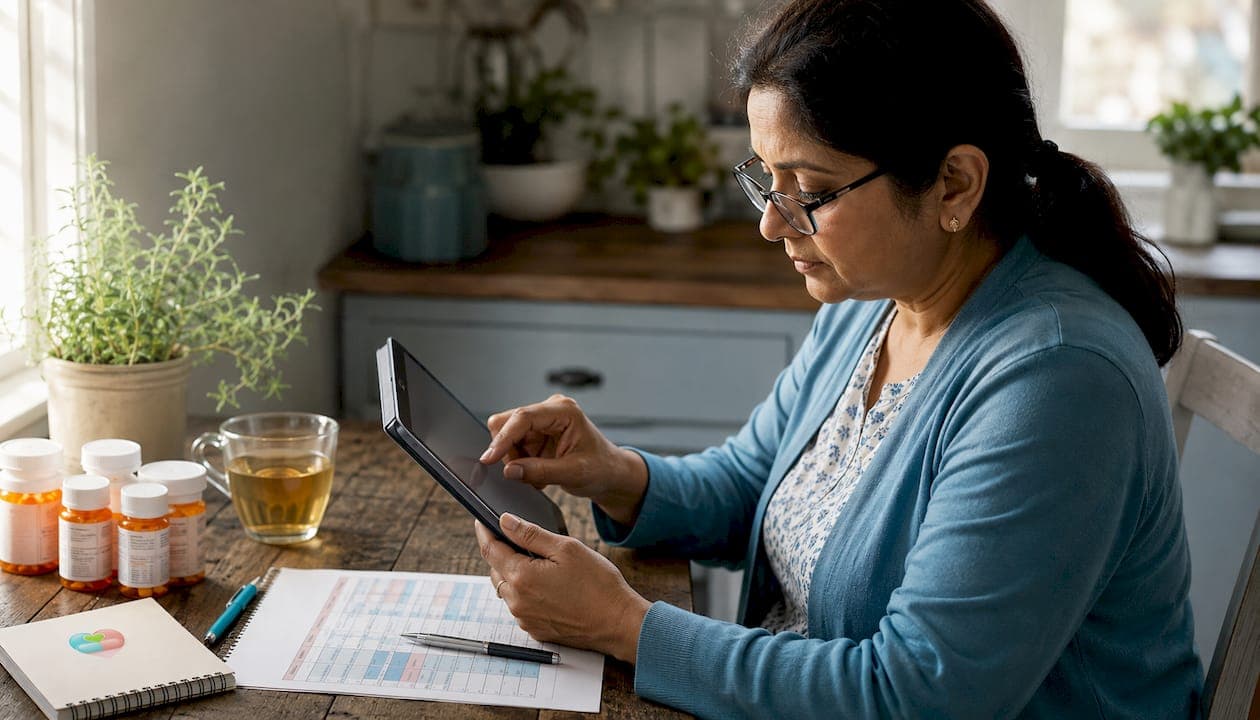
What is a household dose tracker and why does it matter?
A household dose tracker is a centralised digital tool that manages medication schedules, logs doses, and sends reminders for every person in your home. Think of it as a shared medication diary that never forgets, never loses a page, and alerts you the moment something is overdue. For families juggling prescriptions for children, elderly parents, or anyone managing a chronic condition, that kind of visibility changes everything.
The core purpose is straightforward: reduce missed and incorrect doses. Research confirms that even minor improvements in medication consistency can prevent emergencies and reduce healthcare costs for households. A good tracker does this by combining scheduling, logging, and shared access in one place, so every caregiver sees the same real-time picture.
Key elements you will find in a household dose tracker:
- Centralised medication lists for multiple household members
- Scheduled reminders and alerts for due or overdue doses
- Dose logging with timestamps and intake history
- Shared access for family members and carers
- Medication inventory monitoring and refill prompts
- Integration with healthcare providers or pharmacy records
What features should you expect from a dose tracking app?
The best medication trackers go well beyond a simple alarm. Dose-tracking technology in clinical settings has demonstrated improved adherence and workflow efficiency through scanning and real-time location data, and household apps are catching up fast.
Features worth looking for:
- Multi-user profiles: separate schedules and histories for each household member
- Flexible reminders: push notifications, SMS alerts, and calendar syncing
- Dose logging: record what was taken, when, and by whom, with notes if needed
- Drug interaction checks: flags when two medications may conflict
- Medication inventory tracking: predicts when a prescription needs refilling
- Data sharing: export records to share with a GP, consultant, or pharmacist
- UK GDPR compliance: your health data must be stored and processed lawfully
- Accessibility options: adjustable fonts, dark mode, and screen-reader support
- Progressive web app (PWA) format: works across phones, tablets, and desktops without a separate download
Some platforms also support appointment scheduling and symptom logging, which turns a basic tracker into a fuller picture of someone's health over time.
Pro Tip: Set up a secondary caregiver account for a family member or professional carer so that dose confirmations and alerts reach more than one person. Shared visibility cuts the risk of double-dosing or missed doses when responsibilities change hands.
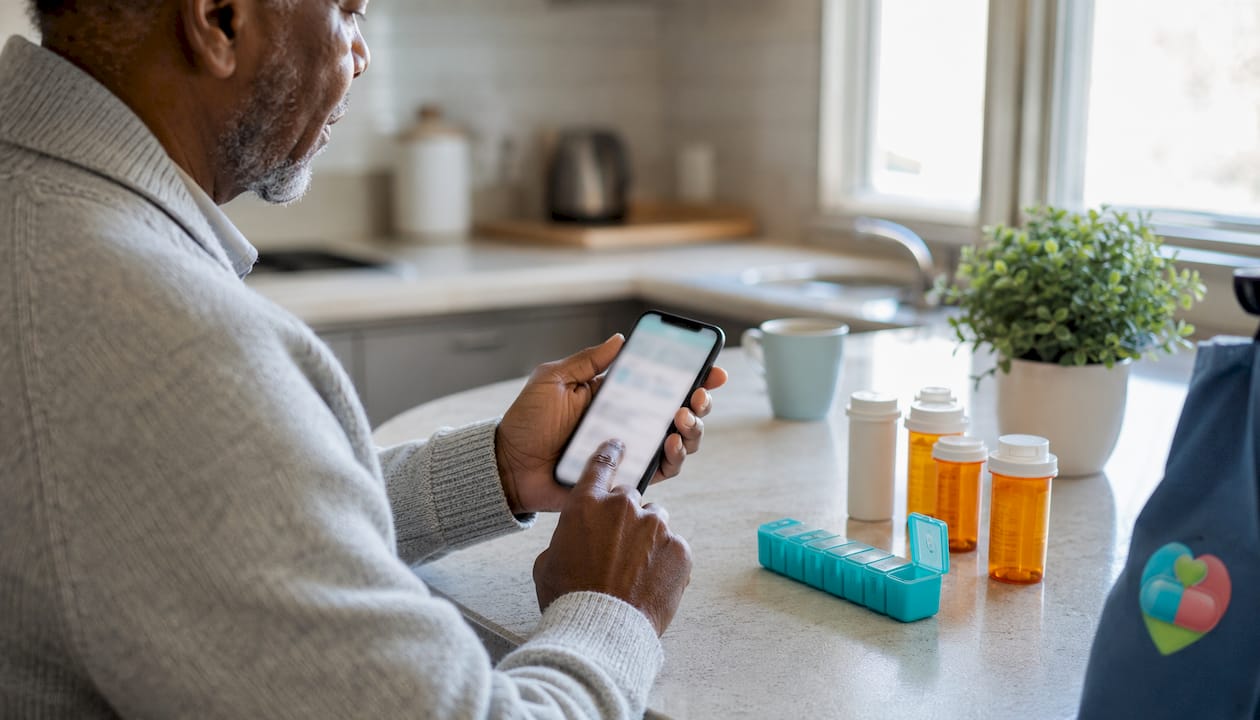
Which medications do household trackers support in the UK?
Household trackers handle virtually every medication form: tablets, capsules, liquids, inhalers, injections, patches, and topical creams. In the UK, where polypharmacy is common among older adults managing several conditions simultaneously, that breadth matters.
Common medication categories tracked by UK families:
- Blood pressure medications (amlodipine, ramipril, lisinopril)
- Asthma and COPD inhalers (salbutamol, beclometasone)
- Insulin and diabetes medications, including GLP-1 receptor agonists such as Ozempic® and Mounjaro®
- Anticoagulants (warfarin, apixaban) requiring precise timing
- Mental health medications (SSRIs, antipsychotics)
- Supplements and vitamins with specific dosing windows
- Paediatric medications with weight-based or age-based dosing
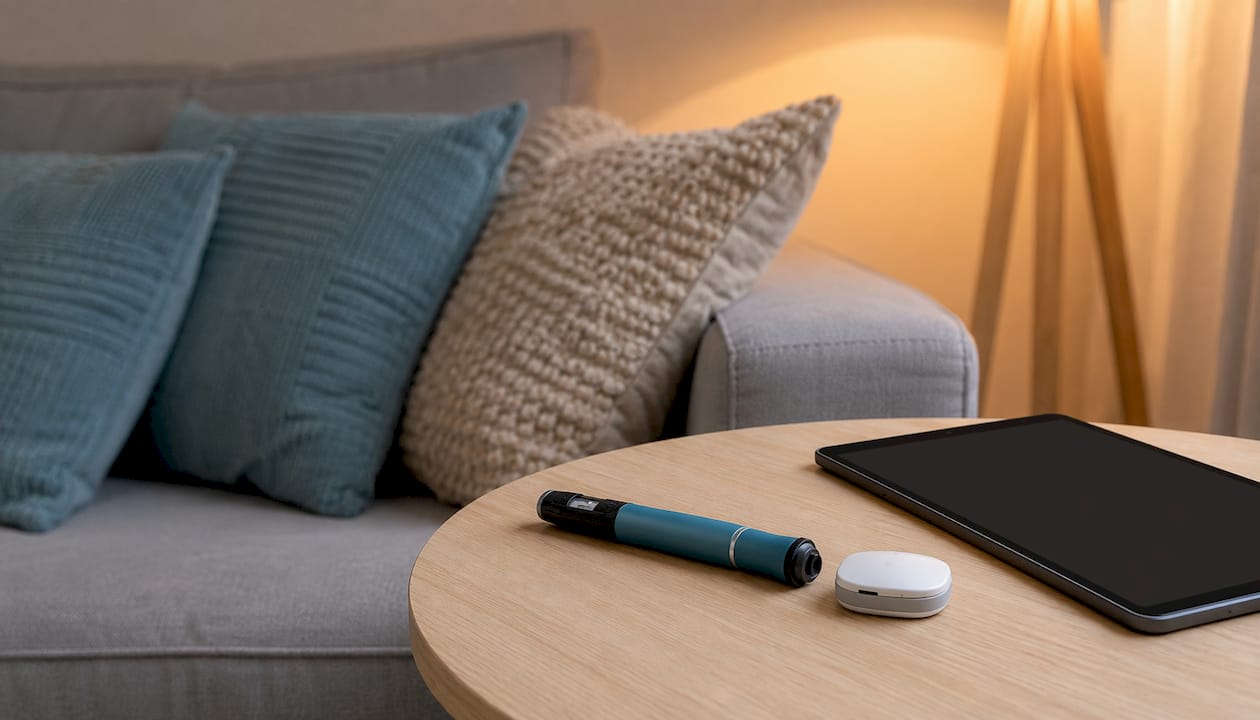
For insulin users specifically, smart connected systems that integrate dose tracking with continuous glucose monitoring have shown real improvements in adherence and quality of life. Apps such as DoseDiary, Dose AI, and Dosecast each offer varying levels of support for complex regimens, from basic reminders through to AI-driven dose suggestions.
Polypharmacy households, where one person takes five or more medications daily, benefit most from a tracker that can handle overlapping schedules without confusion.
What are the real benefits of using a dose tracker?
Better adherence is the headline benefit, and the evidence backs it up. Smartphone reminders improve adherence moderately on their own, while family involvement in tracking can achieve high effectiveness. Successful household medication management also lowers preventable emergencies, stress, and care costs for families.
Benefits for individuals and caregivers:
- Fewer missed doses and reduced risk of under or over-medication
- Lower caregiver stress through shared, real-time visibility
- Reduced anxiety about hypoglycaemia in insulin-dependent family members
- Clearer records to share with GPs, reducing appointment time
- Earlier identification of side effects through symptom logging
- Confidence that elderly or vulnerable relatives are taking medications correctly
Tracking tools relieve mental burden by integrating reminders and objective data sharing, reducing anxiety about missed doses. For carers managing elderly patients' adherence, that reduction in daily worry is as meaningful as the clinical benefit.
"Dose tracking, bolus reminders and alerts, and reduced hypoglycaemia and associated anxiety achieved through smart tracking systems may improve adherence." — PMC expert consensus on Smart MDI systems
Medication trackers also help carers monitor symptom changes over time, giving healthcare providers objective data rather than recalled impressions at a clinic appointment.
How Thedailydosetracker supports UK families and carers
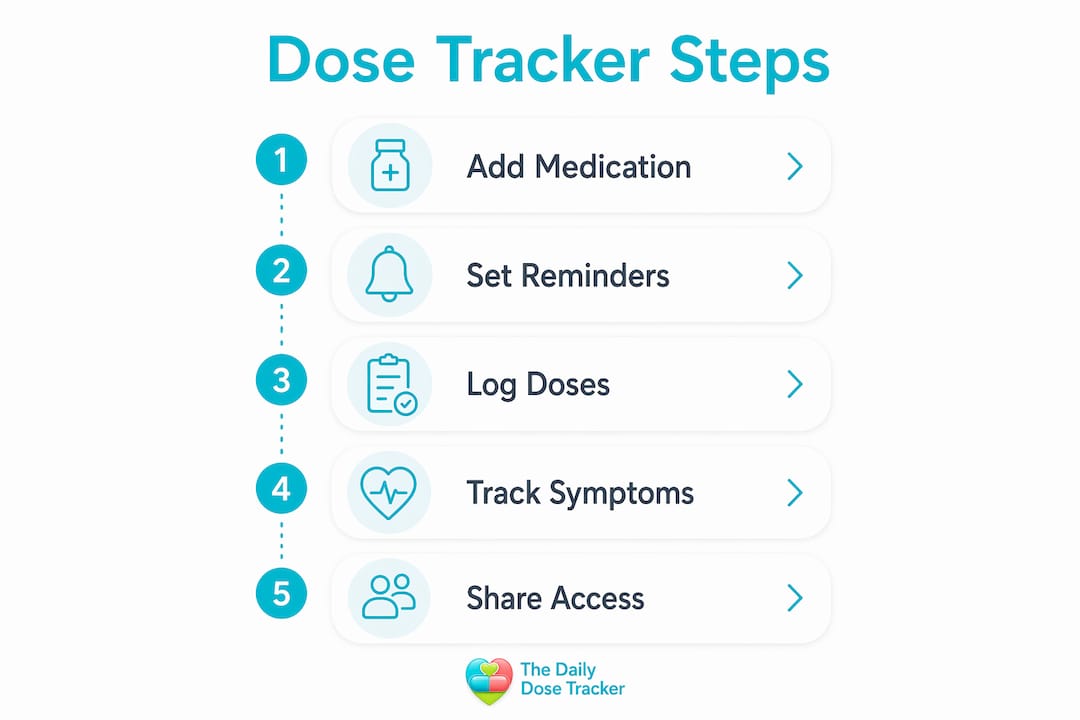
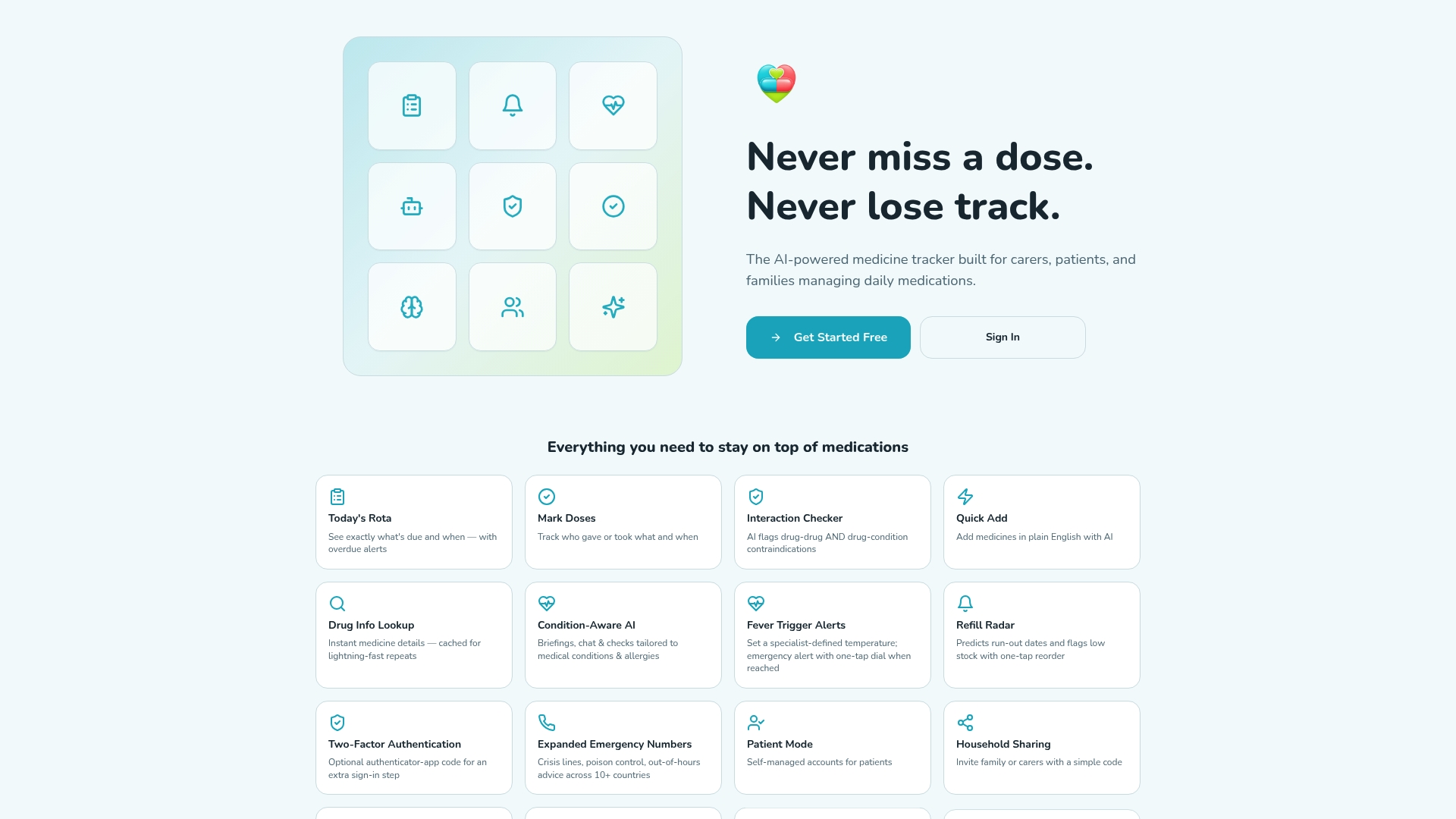
Thedailydosetracker is built specifically for the UK caregiving context, combining AI-powered medication management with household sharing and strict UK GDPR compliance. It works as a progressive web app, so there is nothing to install and it runs on any device.
Core features of Thedailydosetracker:
- Multi-patient management under one account, ideal for families caring for elderly relatives
- AI-driven medication schedules with real-time alerts for due and overdue doses
- Drug interaction checks and condition-specific guidance
- Fever alerts and emergency contact integration
- Medication refill predictions based on logged usage
- Appointment scheduling and symptom logging
- Data export for sharing with GPs or specialist teams
- Accessible design with dark mode and adjustable font sizes
The platform supports managing children and adult medications within a single household profile, which removes the need to switch between separate apps. For families also using wearable safety devices, pairing Thedailydosetracker with 24/7 medical alert monitoring adds an extra layer of protection for vulnerable household members.
Thedailydosetracker is free to start. Visit thedailydosetracker.com/pricing to see the full plan options for carers and families.
Key takeaways
A household dose tracker is the most practical tool a family or carer can use to prevent missed doses, reduce medication errors, and share the responsibility of complex medication routines.
| Point | Details |
|---|---|
| Core purpose | A household dose tracker centralises schedules, logging, and reminders for every person in the home. |
| Adherence improvement | Family involvement in tracking can achieve high effectiveness in improving medication adherence. |
| Medications supported | Trackers handle tablets, inhalers, injections, liquids, and complex regimens including insulin and GLP-1 drugs. |
| Privacy compliance | UK GDPR compliance is a non-negotiable requirement for any dose tracker handling health data in the UK. |
| Thedailydosetracker | Offers AI-driven alerts, multi-patient management, drug interaction checks, and household sharing in one platform. |