
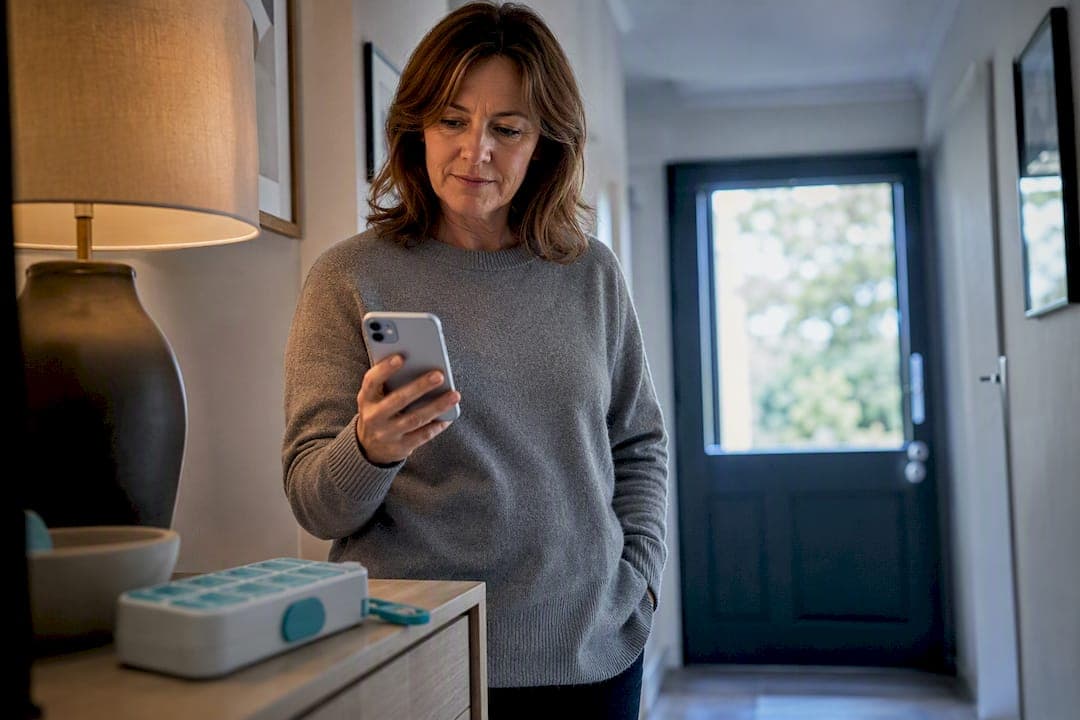
Use a purpose-built reminder platform combined with a simple physical backup. That pairing reliably prevents missed doses and missed appointments in a way that a single alarm or a sticky note on the fridge never quite manages. The Daily Dose Tracker is built for exactly this: one place to manage medication schedules and appointments together, with household sharing so more than one person can catch a missed dose. The steps below show you how to set it up properly.
TL;DR:
- Digital platforms with flexible scheduling, household sharing, and refill alerts outperform basic alarms or notes for managing multiple medications and caregivers.
- Proper setup includes listing all medications and appointments beforehand, attaching context, running the system for a week, and adjusting alert times accordingly.
- Combining digital reminders with physical cues like dosette boxes significantly reduces missed doses caused by distraction or forgetfulness.
- Secure, privacy-compliant tools with data export options and clear drug interaction flags are essential before relying on any health reminder system.
- Starting with a single patient profile and gradually expanding the system helps ensure reliable adherence and smoother clinical communication.
Table of Contents
- What actually works for medication appointment reminders
- How to set up a reliable medication and appointment reminder system
- Managing multiple patients and household sharing for carers
- Linking appointment reminders to your medication records
- Privacy, safety, and what to check before trusting a tool
- Why an integrated platform reduces missed doses
- What actually helps carers day to day
- Get started with The Daily Dose Tracker
- Sources
What actually works for medication appointment reminders
Most people try one method, watch it fail after a short time, then blame themselves rather than the tool. The real fix is usually matching the method to the person, not forcing everyone into the same app.
Dedicated digital platforms are the strongest option for anyone managing more than one medicine or more than one person's care. They handle recurring schedules, log what's actually been taken, and can flag a missed dose before it becomes a missed week. Comprehensive platforms are especially useful because they coordinate recurring tasks like vaccinations, follow-ups and daily medication into a single timeline rather than scattering them across separate apps.
SMS and voice call services suit people who don't want, or can't use, a smartphone app. A text at 8am is low-friction and needs no login.
Calendar and watch alarms work well for someone managing a single, simple prescription, but they tend to fall apart once a second or third medicine enters the picture, because generic calendar apps weren't built to track dosage history.
Physical dosette boxes and pill timers remain genuinely useful as a backup layer, particularly for people with visual or cognitive difficulties who benefit from seeing the day's pills laid out.
Pharmacy and clinic reminder services cover appointments and repeat prescriptions but rarely talk to your medication schedule.
When comparing tools, prioritise:
- Recurring schedules with flexible repeat rules, not just daily/weekly presets
- A working snooze function that doesn't silently cancel the next alert
- Multi-device sync so a reminder dismissed on one phone doesn't vanish for a carer checking another
- Household sharing for more than one patient or more than one carer
- Refill alerts tied to actual prescription counts, not just calendar guesses
How to set up a reliable medication and appointment reminder system
Getting this right takes about twenty minutes the first time, then almost no effort afterwards.
- Gather everything first. List every medicine, its dose, how often it's taken, and every upcoming appointment, in one document or one app, before you configure a single alert.
- Configure each medication properly. Enter exact dose times, repeat rules (daily, every other day, weekly), the alarm type, and a short note for anything unusual, such as "take with food" or "half tablet only."
- Attach medication context to appointments. Link the current medication list to each appointment entry so nothing needs to be remembered separately on the day.
- Build in fallbacks. Set up a labelled dosette box, add a secondary contact who gets notified of a missed dose, and sync appointment invites to a calendar a family member also sees.
- Run it for one week, then adjust. Real routines rarely match the tidy schedule you first typed in. Shift alert times to when doses genuinely get taken, not when the prescription label suggests they should.
Pro Tip: Set your first alert five minutes earlier than the "ideal" time. Most missed doses happen because the reminder fires exactly when someone's mid task, not because they forgot.
A simple three-step approach of collecting, scheduling and backing up consistently outperforms ad hoc reminder habits, largely because it removes the guesswork at the point you're most likely to skip a step.
Managing multiple patients and household sharing for carers
Caring for a parent, a partner, and sometimes yourself at once turns a simple reminder system into a logistics problem fast. The fix is a platform with genuine multi-profile support, not a single account with everyone's medicines jumbled together.
Look for:
- Separate profiles per patient with permission controls, so a visiting carer sees only what they need to
- A centralised dose log that shows who took what, and when, without a phone call to check
- Caregiver notifications that fire automatically if a dose goes unlogged past a set window
- A shared notes field for symptoms, side effects, and anything to raise at the next appointment
Assign clear responsibilities early, so it's not just "whoever remembers first." When a dose is missed or a symptom appears, log it immediately rather than mentally filing it for the next GP visit. A written record beats memory every time a clinician asks "when did this start?"
Linking appointment reminders to your medication records
An appointment reminder on its own only tells you where to be. The useful version tells you what to bring.
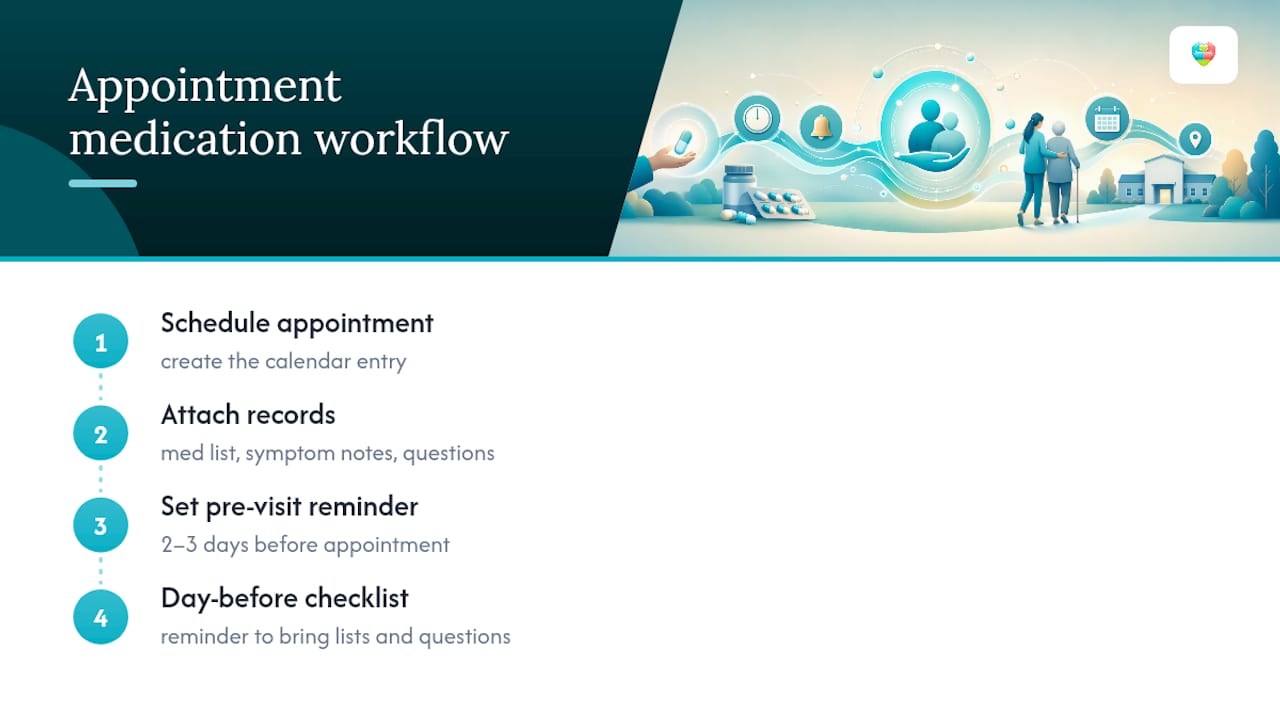
Calendar integration lets you attach the current medication list, recent symptom notes, and questions for the clinician directly to the appointment entry. A pre-visit checklist reminder, sent the day before, catches the "I meant to ask about the dizziness" moment before it's forgotten in the waiting room. Clinicians handling adherence conversations report that having accurate dosing history in front of them changes the quality of the discussion, a point echoed in primary care commentary on medication adherence.
The workflow is simple: schedule the appointment, attach the current medication list, then set a pre-visit reminder two or three days out asking you to bring both lists and questions. Fewer follow-ups get missed, and the ten minutes with a GP get used properly instead of half spent reconstructing what's actually been taken.
Privacy, safety, and what to check before trusting a tool
Health data deserves the same scrutiny as banking data, arguably more, since it can't be changed if it leaks. Before relying on any reminder tool, check three things.
First, read the actual privacy statement, not just the marketing page. Confirm health data is encrypted and never sold to third parties. NHS-facing digital tools are expected to meet documented standards for handling patient data safely, and that's a reasonable bar to hold any consumer app to.
Second, treat drug interaction checks as a helpful flag, never a diagnosis. No app replaces a pharmacist or GP.
Third, avoid tools with no data export option or a history of unreliable notifications; both are operational red flags that predict trouble later. Baseline cybersecurity expectations for services handling sensitive personal data are set out in the Cyber Essentials scheme, and it's worth checking whether a provider references it.
Why an integrated platform reduces missed doses
Reminders work. Peer-reviewed evidence indicates reminder-based interventions increase timely medication taking and follow-up attendance compared with no reminder at all, though how much they help varies by person and by how the system is designed. The gain tends to come from combining reminders with context, not from the alert alone.
That's the logic behind The Daily Dose Tracker's approach: multi-patient management for carers juggling several people's medicines, drug interaction checks, refill alerts before a prescription runs out, fever alerts for anyone monitoring a child or an unwell relative, and appointment notes that carry medication context with them. Household sharing means a missed dose alert doesn't sit unseen on one phone.
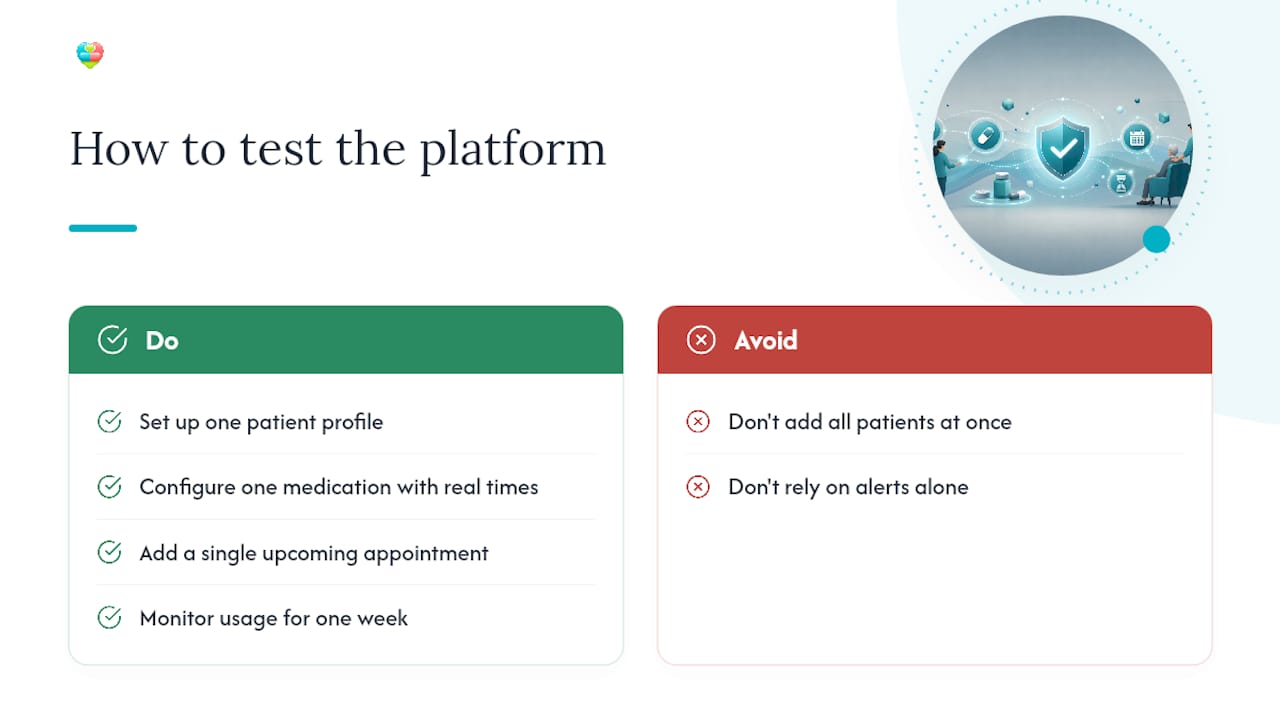
If you want a low-risk way to test this, set up one patient profile, configure one medication with its real dose times, and add one upcoming appointment. Monitor for a week before adding the rest. For more detail on how this changes clinical conversations, see why families use shared medication apps.
What actually helps carers day to day
Most carers overcomplicate the setup and undercomplicate the backup. A single phone alert with no physical cue fails the moment the phone's on silent or left in another room.
The rule of thumb worth remembering: two reminders plus a visible dosette box. One digital alert catches the moment, one visible box catches the glance. Together they cover the two ways a dose actually gets missed, distraction and forgetting entirely.
— Prasant
Get started with The Daily Dose Tracker
The Daily Dose Tracker is the one place that handles medication schedules and appointments together, rather than forcing you to run two separate systems and hope they line up. It's free to start, with core scheduling and reminders on the no-cost tier, while household sharing, multi-patient management, and appointment notes sit on the paid Individual and Pro plans for anyone managing more complex care.
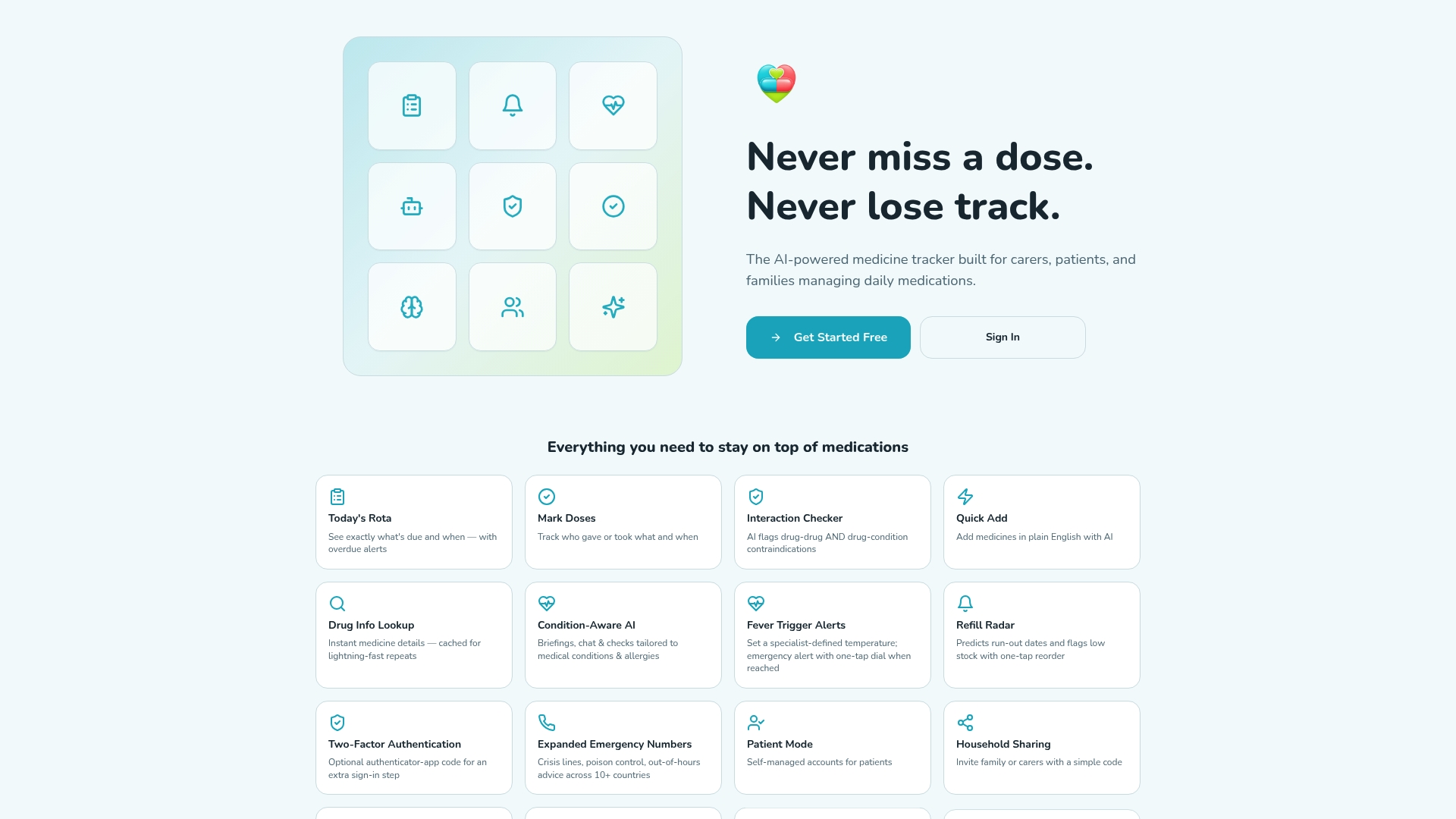
Getting going takes four steps: create an account, add a patient profile, add their medications with real dose times, then set the first appointment reminder and switch on household sharing so another family member sees the same schedule. That's the whole setup, and it's the difference between hoping someone remembers and knowing they will. Start with The Daily Dose Tracker and add your first medication today.
Sources
- Advancing future long-term conditions through digital health (North West London ICB blog)
- Digital
- Peer-reviewed article on reminder efficacy (PMC)
- Gov
This article is general information, not a substitute for advice from a qualified doctor. Consult a qualified healthcare professional about your own circumstances before acting on anything here.