
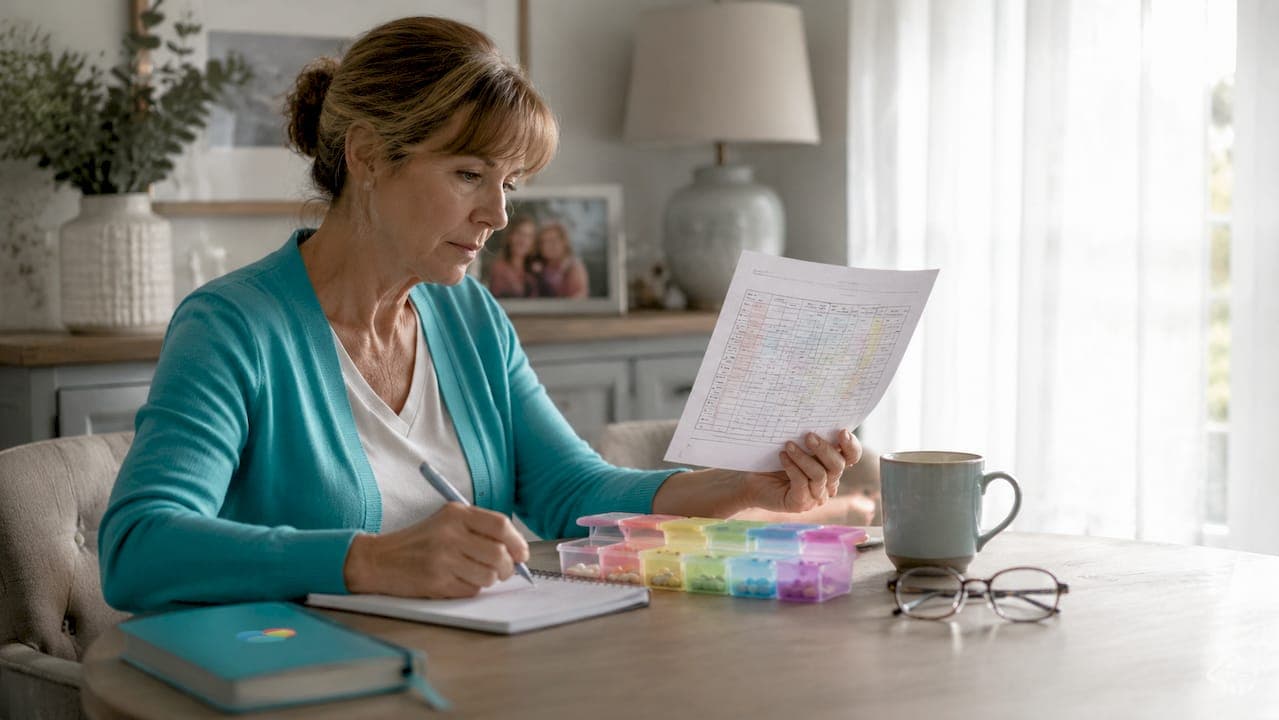
Medication schedule best practices for carers are defined as the consistent, repeatable systems that carers use to organise, administer, and track medicines safely and on time. In professional healthcare settings, this discipline is known as medication management, and it applies equally to family carers supporting elderly relatives at home. The stakes are real: polypharmacy rates in home care range from 41% to nearly 90%, and medication error rates sit between 1.9% and 33%. That range tells you one thing clearly. Without a structured approach, errors are not a possibility. They are a probability.
1. Medication schedule best practices carers should build first
The foundation of safe carer medication management is a master medication list. This is a single, up-to-date document recording every medicine the patient takes, including the dose, timing, route of administration, and prescribing clinician. Medication regimens change frequently, so treating this list as a living document rather than a one-off task is what separates safe carers from overwhelmed ones. Keep one physical copy in the home and one digital copy accessible on a phone or tablet.
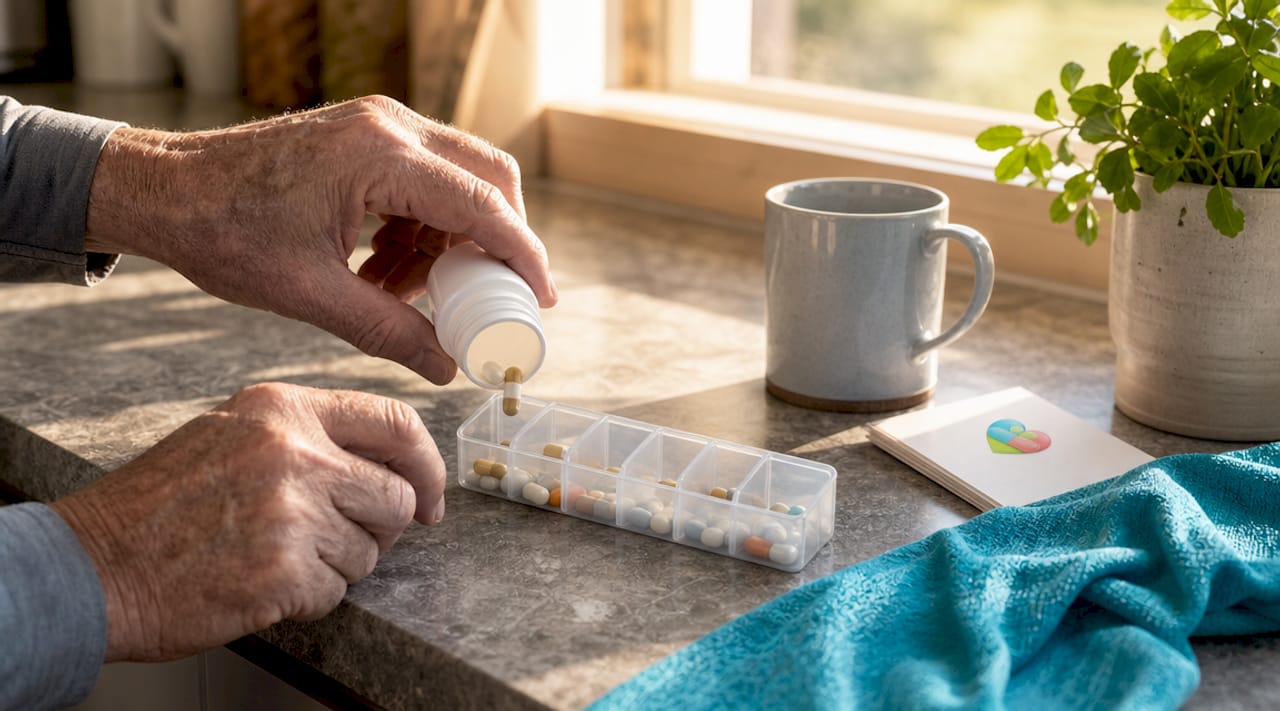
Alongside the master list, a weekly pill organiser remains the most reliable low-tech tool available. Filling it on the same day each week creates a predictable rhythm that reduces the cognitive load of daily decision-making. A midweek review, where you physically check remaining doses against the schedule, catches discrepancies before they become missed doses. Refilling pill organisers weekly with a midweek check is one of the most practical systems a carer can adopt.
2. Tools and methods that make scheduling reliable
Effective medication reminders for carers work best when they are layered rather than singular. A single phone alarm is easy to dismiss or miss. Combining a phone alarm with a visual cue, such as a sticky note on the kettle or a pill organiser placed next to the breakfast plate, creates redundancy that protects against human error.
- Weekly pill organisers and blister packs sort doses in advance and make it immediately obvious if a dose has been taken or skipped.
- Layered reminders combine phone alarms, visual cues, and verbal prompts to reduce the chance of a missed dose.
- Anchored habits link medication administration to fixed daily activities such as meals, tooth brushing, or the morning cup of tea. Anchoring doses to daily habits improves timing adherence without requiring complex scheduling tools.
- A dedicated review day each week allows carers to check supplies, update the medication list, and flag any concerns in calm conditions rather than under pressure.
- Symptom and dose logs provide a written record that is invaluable when speaking with a GP or pharmacist about changes in the patient's condition.
Pro Tip: Place the pill organiser in the most visible spot in the kitchen rather than a medicine cabinet. Out of sight genuinely does mean out of mind for busy carers managing multiple responsibilities.
3. How to manage medication refills without supply gaps
Running out of a critical medicine is one of the most preventable crises in home care. Setting calendar reminders 7 to 10 days before a medication runs out gives enough lead time to handle pharmacy delays, GP approval processes, and weekend or bank holiday closures. This buffer is not a luxury. For patients on anticoagulants, antiepileptics, or insulin, a single missed day carries serious clinical risk.
A structured refill process looks like this:
- Synchronise prescriptions. Ask the GP or pharmacy to align all repeat prescriptions to the same collection date. This reduces the number of separate trips or deliveries and makes it far easier to spot when something is missing.
- Set a standing reminder. Use a phone calendar or a medication management app to trigger a refill check 10 days before each collection date.
- Communicate early with the pharmacy. Notify the pharmacy in advance if the patient needs blister packs, large-print labels, or home delivery. These services often require additional lead time.
- Order before long weekends and holidays. Pharmacies close, GP surgeries reduce hours, and delivery services slow down. Ordering a week earlier than usual before a bank holiday removes a significant source of risk.
- Use pharmacy reminder services. Many community pharmacies offer automated refill reminders by text or phone. These are free, require no technical skill to set up, and add another layer of protection.
Pro Tip: Keep a small written note inside the medicine cabinet listing each medication's expected run-out date. Updating it takes 30 seconds after each refill and gives any substitute carer an instant overview.
4. Safety protocols that prevent medication errors
The Six Rights of Medication Administration is the standard safety framework used by professional carers and nurses alike. The six rights are the right person, right medicine, right dose, right route, right time, and the patient's right to refuse. Applying this checklist before every administration round takes under a minute and catches the most common error types before they occur.
| Safety step | Why it matters |
|---|---|
| Verify the right person | Prevents administration to the wrong patient in multi-person households |
| Check medicine name aloud | Verbalising the name reduces silent misreads of similar-looking packaging |
| Confirm dose against the list | Catches dose changes that have not yet been updated on the organiser |
| Record each dose given | A written log removes uncertainty about whether a dose was taken |
| Note any refusal or side effect | Provides clinical evidence for the next GP or pharmacist review |
Beyond the Six Rights, carers should never crush or alter a tablet without explicit advice from a pharmacist or prescribing clinician. Many modified-release tablets are designed to dissolve slowly, and crushing them delivers the full dose at once, which can be dangerous. Pharmacists recommend asking three questions about each medicine: what is it for, how should it be given, and what effects or side effects should be expected. This simple habit builds carer confidence and catches administration errors before they reach the patient.
"Medication management is an ongoing, adaptive process. A current, accurate medication list is the single most important tool a carer can maintain." — Cleveland Clinic
Effective medication safety for elderly patients also means knowing when to call for help. Unusual drowsiness, a new rash, or a sudden change in behaviour after starting a new medicine warrants a call to the GP or pharmacist the same day, not a wait-and-see approach.
5. How carers can work effectively with pharmacists and healthcare teams
Pharmacists are the most underused resource in home medication management. Most carers visit a pharmacy to collect prescriptions and leave. The more productive approach is to treat the pharmacist as a clinical partner who can identify drug interactions, suggest safer administration methods, and flag therapy gaps that a busy GP may not have time to address.
- Request a Medication Therapy Management (MTM) review. MTM sessions are in-depth pharmacist consultations that review all of a patient's medicines together. They are often covered by Medicare in the US or available privately for around £80 to £120 in the UK. The outcome is a written medication action plan the carer can use immediately.
- Bring the master medication list to every appointment. A complete, current list prevents duplicate prescribing and gives the pharmacist or clinician the full picture in seconds.
- Understand legal authorisation. Carers may need legal authorisation such as a lasting power of attorney to speak directly with a pharmacist or GP about a patient's medication. Without it, access to critical information can be restricted. Arranging this early avoids communication barriers at the worst possible moment.
- Use teach-back to confirm understanding. After receiving instructions from a clinician or pharmacist, repeat the key points back in your own words. This technique, known as teach-back, confirms that the information has been understood correctly and reduces administration errors caused by miscommunication.
- Ask about storage and interactions. Some medicines require refrigeration, separation from other tablets, or specific timing relative to food. A pharmacist can also check for interactions between prescribed medicines and common over-the-counter products. Consulting a pharmacist for OTC safety is particularly important for elderly patients who self-medicate for minor ailments alongside complex prescriptions.
Carers who document patient symptoms consistently also give clinicians far better information to work with. Keeping a symptom and care record alongside the medication log creates a complete picture that supports safer prescribing decisions at every review.
Key takeaways
Effective carer medication management requires a master medication list, layered reminders, the Six Rights safety protocol, and proactive collaboration with pharmacists to prevent errors and supply gaps.
| Point | Details |
|---|---|
| Master medication list | Keep one current, written record of all medicines, doses, and timings as the foundation of safe care. |
| Layered reminders | Combine phone alarms with visual cues and anchored habits to reduce missed doses reliably. |
| Six Rights protocol | Apply the right person, medicine, dose, route, time, and right to refuse before every administration. |
| Refill planning | Set reminders 7 to 10 days before medicines run out and synchronise prescriptions to one collection date. |
| Pharmacist partnership | Request MTM reviews, confirm legal authorisation, and use teach-back to close communication gaps. |
What I have learned about medication scheduling after years in caregiving
The carers I have seen struggle most are not the ones who care least. They are the ones chasing perfection in a situation that does not allow for it. A medication round for someone on eight or nine medicines, with different timing requirements and food restrictions, is genuinely complex. Expecting to manage it flawlessly from memory alone is not ambition. It is a setup for failure.
What actually works is good enough organisation. A filled pill organiser, a written list on the fridge, and one alarm on your phone will prevent more errors than an elaborate colour-coded spreadsheet that takes 40 minutes a week to maintain. The best system is the one you will actually use on a Tuesday morning when you are tired and the patient is uncooperative.
The other thing I would tell any carer is this: the pharmacist is not just there to hand over a paper bag. I have seen a single conversation with a community pharmacist uncover a dangerous interaction that three separate GP appointments had missed. That conversation costs nothing and takes ten minutes. Make it a habit, not a last resort.
Finally, do not carry the whole system in your head. Write it down, share it with anyone who might cover for you, and review it regularly. Medication management resources and digital tools exist precisely because human memory is not a reliable safety net for complex regimens. Use every tool available to you.
— Prasant
How Thedailydosetracker supports carers with medication scheduling
Managing a complex medication routine is far easier when you have the right digital support behind you.
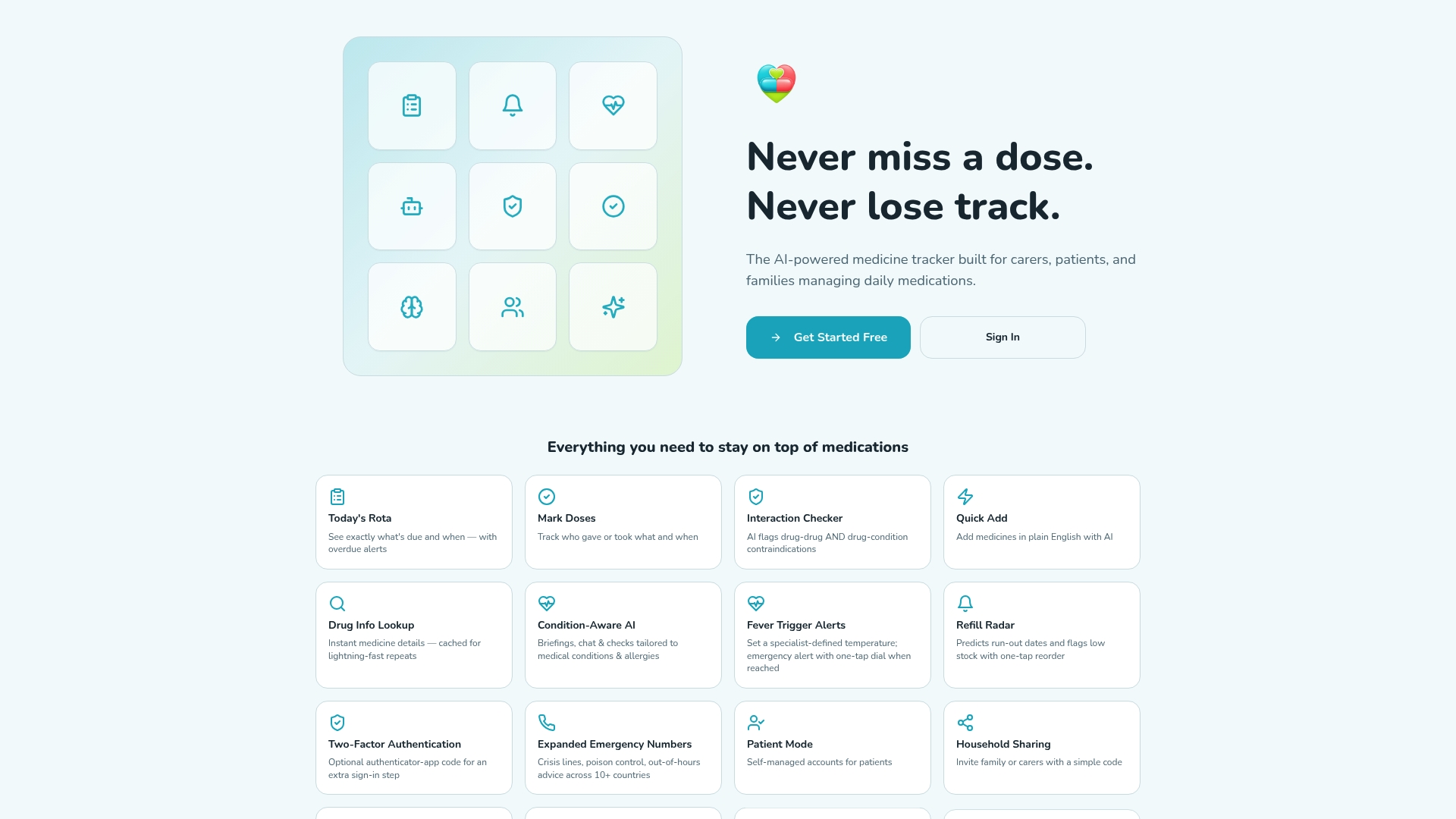
Thedailydosetracker is a free medicine management app built specifically for carers, families, and healthcare professionals. It lets you create and monitor medication schedules, log each dose in real time, and receive alerts for due or overdue medicines. The platform includes drug interaction checks, refill predictions, and emergency contact integration, all in one place. It supports multi-patient management and works across devices, so any member of the care team can stay informed. If you are ready to put the best practices in this article into daily practice, start with Thedailydosetracker and see how much simpler a structured medication routine can become.
FAQ
What are the most important medication schedule tips for carers?
The most effective medication schedule tips for carers are maintaining a current master medication list, using a weekly pill organiser, and setting layered reminders that combine phone alarms with visual cues. Anchoring doses to fixed daily activities such as meals further improves timing adherence without adding complexity.
How can carers reduce medication administration errors at home?
Carers reduce errors by applying the Six Rights of Medication Administration before every dose: right person, medicine, dose, route, time, and right to refuse. Recording each dose in a written log and never altering tablets without pharmacist advice are equally critical steps.
How often should carers review a patient's medication schedule?
A medication schedule should be reviewed at least once a week, with a dedicated refill check 7 to 10 days before any medicine runs out. Any change in the patient's condition, a new prescription, or a hospital discharge should trigger an immediate review of the full medication list.
When should a carer involve a pharmacist in medication management?
A carer should involve a pharmacist at every prescription collection, when starting a new medicine, and at least once a year through a formal Medication Therapy Management review. Pharmacists can identify drug interactions and administration issues that are not always visible during a standard GP appointment.
Do carers need legal authorisation to discuss medications with a pharmacist?
In many regions, carers require legal authorisation such as a lasting power of attorney to access full medication information on behalf of a patient. Without this, pharmacists and clinicians may be restricted in what they can share, so arranging authorisation early is strongly advised.