

Medication side effect patterns are the recognisable ways drugs cause unwanted effects, and understanding them is the first step to managing them safely. The patterns range from predictable, dose-related reactions to rare, unpredictable responses that can threaten life. Broadly, adverse drug reactions fall into two main categories: Type A (predictable, dose-dependent) and Type B (idiosyncratic, largely unpredictable). Here are the core examples of medication side effect patterns you are most likely to encounter:
- Dose-dependent effects: blood pressure medicines causing dizziness when the dose is too high; anticoagulants like warfarin causing bleeding
- On-target effects in unintended tissues: morphine relieving pain via opioid receptors in the brain, yet causing constipation by acting on the same receptors in the gut
- Off-target effects: the HIV drug delavirdine triggering severe rash by binding the histamine H4 receptor, a target unrelated to its therapeutic purpose
- Immunological reactions: anaphylaxis from beta-lactam antibiotics (Type I, immediate); delayed hypersensitivity reactions like DRESS, appearing two to six weeks after starting a drug
- Cumulative and chronic effects: long-term corticosteroid use leading to adrenal suppression; prolonged NSAID use increasing gastrointestinal bleeding risk
- Drug interaction patterns: combining a blood thinner with ibuprofen sharply raising bleeding risk
- Common, class-wide effects: dry cough from ACE inhibitors; constipation from opioids; nausea, dry mouth, and drowsiness across multiple drug classes
Severity spans from mild nuisance to life-threatening. Recognising which pattern applies to a given drug helps patients, carers, and clinicians respond appropriately.
Table of Contents
- How adverse drug reactions are classified and what each type means
- Examples of medication side effect patterns in clinical practice
- How systems pharmacology deepens our understanding of drug side effects
- Recognising subtle and underreported side effects
- How Thedailydosetracker helps you spot side effect patterns early
- Key takeaways
How adverse drug reactions are classified and what each type means
The most widely used framework in clinical pharmacology divides adverse drug reactions into Type A and Type B, though the full picture is richer than that binary suggests.
Type A reactions are dose-related and, in principle, predictable. They account for the large majority of adverse drug reactions and arise from the drug doing exactly what it is designed to do, only too well or in the wrong tissue. Warfarin causing haemorrhage is the textbook case: the drug inhibits clotting, and if the dose is too high or the patient's metabolism is unusual, bleeding follows. Antihypertensives causing fainting when blood pressure drops too far follow the same logic.
Type B reactions are independent of dose and far harder to anticipate. They include immunological hypersensitivity and idiosyncratic metabolic responses. Cutaneous adverse drug reactions illustrate this well: a large majority of adverse drug reactions are predictable and non-immunological, while a smaller proportion are unpredictable, and only a minority are genuinely immune-mediated.
The Gell and Coombs immunological classification
For immune-mediated reactions, the Gell and Coombs system remains the clinical standard. Drug hypersensitivity reactions are classified into four types:
| Type | Mechanism | Timing | Clinical example |
|---|---|---|---|
| Type I (IgE-mediated) | Mast cell and basophil activation | Minutes to hours | Anaphylaxis from penicillin |
| Type II (cytotoxic) | IgG/IgM antibodies against cell surfaces | Hours to days | Drug-induced haemolytic anaemia |
| Type III (immune complex) | Antigen-antibody complex deposition | Days to weeks | Serum sickness from antithymocyte globulin |
| Type IV (T-cell mediated) | Delayed T-cell activation | Days to weeks | Contact dermatitis; DRESS; SJS/TEN |
Time-course patterns
Timing is one of the most clinically useful clues when identifying a drug reaction. Immediate reactions occur within minutes to a few hours of exposure, as with anaphylaxis. Delayed reactions, such as exanthematous rashes from beta-lactams, typically appear 4–12 days after starting treatment. DRESS, one of the most dangerous delayed patterns, emerges 14–42 days after initiation and can persist for weeks after the drug is stopped.
Mechanisms underlying side effects
Systems pharmacology research groups the mechanisms into four categories worth knowing:
- Primary target, primary tissue: the drug does its job but overshoots (e.g. antihypertensives causing hypotension)
- Primary target, different tissue: morphine's opioid receptors exist in both brain and gut, so analgesia comes with constipation
- Off-target effects: the drug binds a receptor it was never meant to touch (e.g. delavirdine and the histamine H4 receptor causing rash)
- Network interactions: multiple molecular perturbations combine to produce an adverse outcome, often in a patient-specific way
Pro Tip: When a patient reports a new symptom shortly after a dose change, consider the primary-target-different-tissue mechanism first. It is the most common and the most correctable.
Examples of medication side effect patterns in clinical practice
Clinical examples make these classifications concrete. The patterns below cover the drug classes most commonly implicated in adverse reactions.
NSAIDs (non-steroidal anti-inflammatory drugs)
NSAIDs inhibit cyclo-oxygenase enzymes, which reduces inflammation but also strips the stomach lining of its protective prostaglandins. The result is a predictable, dose-related pattern: gastrointestinal irritation, ulceration, and bleeding. Combining an NSAID with a blood thinner like warfarin amplifies this risk considerably. Longer-term use adds cardiovascular and renal risks, both arising from the same prostaglandin-inhibiting mechanism operating in different tissues.
Common side effects of NSAIDs:
- Gastric irritation and peptic ulceration
- Increased bleeding risk, especially with anticoagulants
- Fluid retention and raised blood pressure
- Renal impairment with prolonged use
- Skin reactions (less common)
ACE inhibitors
ACE inhibitors lower blood pressure by blocking angiotensin-converting enzyme, but ACE also breaks down bradykinin. When ACE is inhibited, bradykinin accumulates and triggers a persistent dry cough in a proportion of patients, often severe enough to warrant stopping the drug. Angiotensin II receptor blockers were developed specifically to sidestep this problem: they block the downstream receptor without affecting bradykinin metabolism, so the cough does not occur.

Opioids
The constipation caused by opioids is not a side effect in the colloquial sense of something incidental. It is a direct consequence of opioid receptors in the myenteric plexus of the intestine being activated alongside those in the brain. Every opioid causes it to some degree, and it does not diminish with time the way sedation often does. Nausea, drowsiness, and respiratory depression follow a similar dose-dependent pattern.

Beta-lactam antibiotics
Beta-lactams (penicillins, cephalosporins) are among the most common triggers of drug hypersensitivity. Reactions range from mild maculopapular rashes appearing 4–12 days into treatment, to immediate IgE-mediated anaphylaxis within minutes of a dose. Anaphylaxis from beta-lactams commonly affects the skin, respiratory tract, and cardiovascular system in varying degrees.
- Mild maculopapular rash (most common, usually self-limiting)
- Urticaria and angioedema
- Anaphylaxis (immediate, life-threatening)
- Serum sickness-like reaction (delayed, immune complex)
- Drug-induced haemolytic anaemia (Type II)
Severe idiosyncratic cutaneous reactions
Stevens-Johnson syndrome (SJS) and toxic epidermal necrolysis (TEN) sit at the extreme end of the severity spectrum. SJS and TEN are differentiated by the extent of skin detachment: less than 10% of body surface area in SJS, more than 30% in TEN, with an overlap syndrome between those figures. TEN carries a high mortality rate. Symptoms typically appear 21 days after starting the causative drug, with common offenders including anticonvulsants such as carbamazepine and allopurinol.
DRESS (drug reaction with eosinophilia and systemic symptoms) is a distinct but equally serious pattern. It appears 14–42 days after drug initiation and involves multi-organ damage: liver, kidneys, lungs, and heart can all be affected. Eosinophilia and lymphadenopathy are characteristic findings. Delayed hypersensitivity reactions like DRESS carries significant mortality risk and requires urgent hospitalisation.
Psychotropic medications
Antidepressants and antipsychotics produce a wide range of side effect patterns. SSRIs commonly cause nausea in the first two weeks, which usually resolves, but sexual dysfunction persists in many patients and is frequently underreported. Antipsychotics carry a risk of metabolic syndrome with long-term use, including weight gain, raised blood glucose, and dyslipidaemia. These are mechanism-based effects arising from receptor actions in tissues beyond the intended therapeutic target.
Blood disorders from drugs
Drug-induced blood disorders represent a distinct pattern worth recognising. Agranulocytosis (a severe drop in white blood cells) can occur with clozapine, carbimazole, and some antibiotics. The mechanism in some cases involves reactive drug metabolites depleting neutrophils of ATP, leading to cell death. Drug-induced thrombocytopaenia, where platelet counts fall dangerously, can occur with heparin (heparin-induced thrombocytopaenia, or HIT), quinine, and certain antibiotics.
Endocrine disturbances
Long-term corticosteroid use suppresses the hypothalamic-pituitary-adrenal axis, meaning the body's own cortisol production diminishes. Stopping steroids abruptly after prolonged use can trigger adrenal crisis. Amiodarone, used for cardiac arrhythmias, contains iodine and can cause both hypothyroidism and hyperthyroidism, sometimes years into treatment. These are cumulative, time-dependent patterns rather than immediate reactions.
Pro Tip: For patients on polypharmacy management strategies, endocrine side effects are easy to miss because they develop slowly. Regular thyroid and adrenal function tests are worth scheduling proactively.
How systems pharmacology deepens our understanding of drug side effects
Traditional classification tells you what a side effect is. Systems pharmacology starts to explain why it happens at a molecular level, and that distinction is changing how new drugs are designed.
Systems pharmacology integrates molecular network data, mapping how a drug signal propagates through cellular pathways rather than treating each drug-receptor interaction in isolation. When a drug binds multiple proteins, the downstream effects can be unpredictable from any single interaction alone. Off-target drug effects are frequently not discovered until after an adverse event is observed in patients, which is why screening for interactions with common off-targets, including the HERG ion channel linked to cardiac arrhythmias, is now standard during drug development.
Understanding how drug signals travel through molecular networks, rather than focusing on a single receptor, is what allows pharmacologists to predict adverse events before they reach patients. Network biology reveals that many serious side effects arise not from one molecular misstep but from the compounding of several small perturbations across interconnected pathways.
The abacavir hypersensitivity reaction is a striking example of this approach in practice. Abacavir, an antiretroviral drug, causes a severe hypersensitivity reaction in patients carrying the HLA-B57:01 genetic variant. Systems-level analysis of this reaction revealed how the drug alters the peptide repertoire presented by that specific HLA molecule, activating cytotoxic CD8+ T cells. Genetic screening for HLA-B57:01 before prescribing abacavir now prevents this reaction entirely.
The broader implication is that side effects once labelled "idiosyncratic" may turn out to have identifiable molecular explanations when the full network is mapped. This is driving a shift towards personalised prescribing, where a patient's genetic profile, concurrent medications, and disease state are factored into drug selection before a reaction occurs.
Recognising subtle and underreported side effects
The side effects that appear on a drug's patient information leaflet are not always the ones that most affect daily life. Harvard Health commentary from Dr Robert H. Shmerling highlights that cognitive impairment and sexual dysfunction are common yet under-discussed, and both deserve more clinical attention than they typically receive.
Sexual side effects and cognitive difficulties like 'brain fog' are among the most distressing medication side effects, yet patients frequently do not raise them with their doctor. The gap between what patients experience and what clinicians document is one of the most persistent problems in medication safety.
Patients often stay silent about sexual dysfunction out of embarrassment, and cognitive changes can be gradual enough that neither the patient nor their carer connects them to a medication. The same applies to mood changes from beta-blockers, fatigue from antihistamines, and subtle personality shifts from long-term benzodiazepine use. These are real, commonly underreported side effects that affect quality of life and, if unaddressed, lead to patients stopping treatment without telling their doctor.
Practical steps for patients and carers:
- Keep a dated log of new symptoms, noting the time relative to each dose
- Note whether symptoms worsen with dose increases or improve on missed doses
- Bring the log to appointments rather than relying on memory
- Ask specifically about sexual, cognitive, and mood-related effects when starting a new medicine
- For patients on detox or withdrawal protocols, tracking progress carefully helps distinguish withdrawal effects from new side effects
Tracking symptoms alongside medication intake is one of the most effective ways to surface these patterns before they become serious problems. Thedailydosetracker supports exactly this: its symptom logging feature lets patients and carers record new symptoms in real time, timestamped against each dose, so patterns become visible over days and weeks rather than being reconstructed from memory at a GP appointment.
Simple management adjustments can also reduce side effect burden. Taking medication with food lowers the chance of nausea for many drugs, and dose timing adjustments can reduce drowsiness or insomnia depending on the drug. When a side effect persists, switching within a drug class, as with moving from an ACE inhibitor to an angiotensin II receptor blocker to eliminate the dry cough, is often possible without sacrificing therapeutic effect.
How Thedailydosetracker helps you spot side effect patterns early
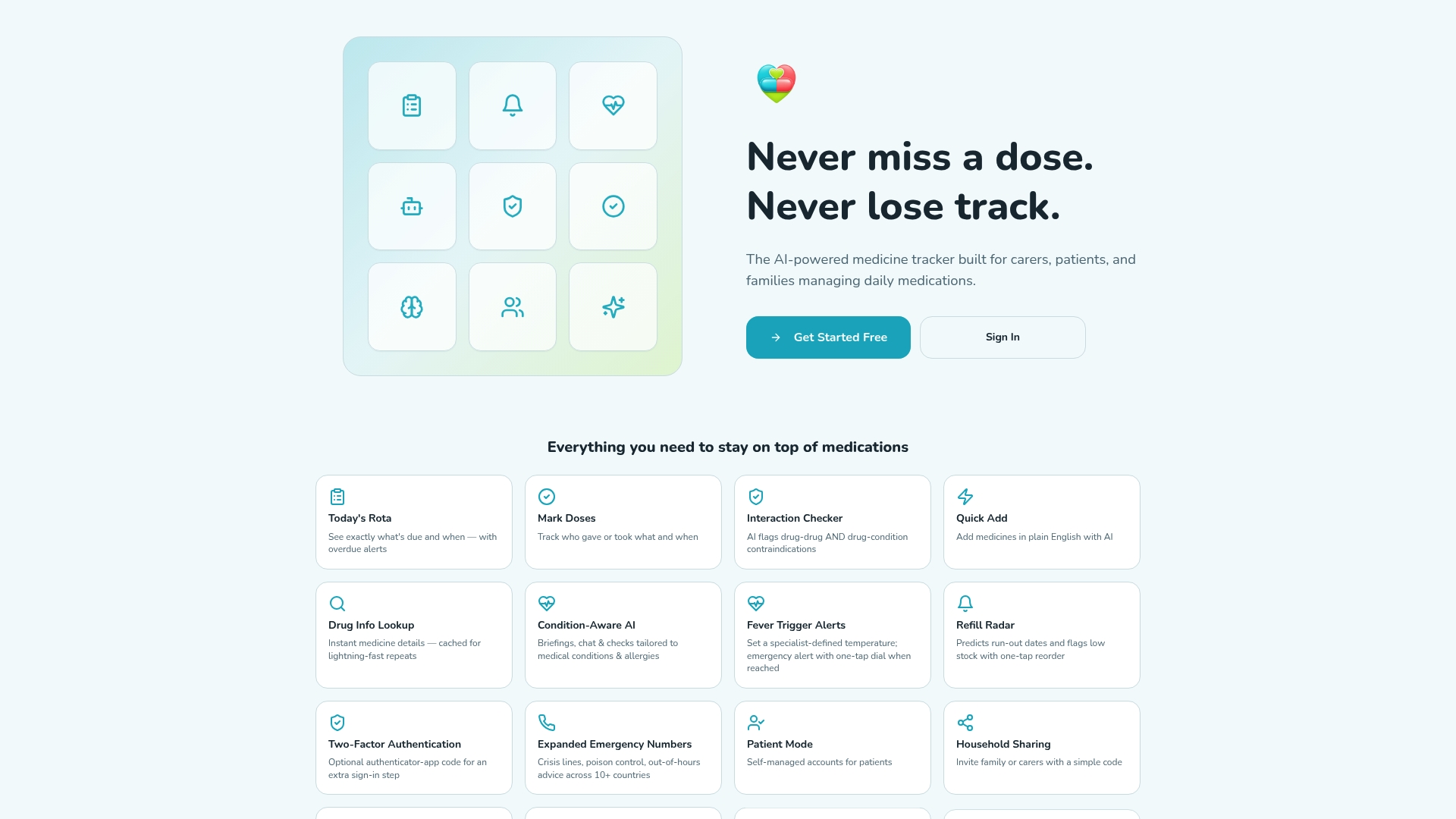
Thedailydosetracker is built for exactly the challenge this article describes: connecting a symptom to a medication before the pattern becomes a crisis. The platform's AI-powered symptom logging, real-time dose alerts, and drug interaction checks give patients, carers, and care teams the data they need to have informed conversations with prescribers.
Whether you are managing a complex medication regimen for an elderly relative or tracking your own treatment for a chronic condition, Thedailydosetracker's free medicine app gives you a clear, timestamped record of doses and symptoms, accessible across all your devices. Explore the full range of resources and tools at Thedailydosetracker.
Key takeaways
Medication side effect patterns follow identifiable mechanisms, and recognising the pattern is what determines the right clinical response.
| Point | Details |
|---|---|
| Type A vs Type B reactions | Type A reactions are dose-related and predictable; Type B are idiosyncratic and largely independent of dose. |
| Immunological classification | The Gell and Coombs system (Types I–IV) underpins diagnosis of immune-mediated reactions from anaphylaxis to DRESS. |
| Timing as a diagnostic clue | Immediate reactions occur within hours; delayed reactions like DRESS emerge 14–42 days after starting a drug. |
| Underreported side effects | Cognitive impairment and sexual dysfunction are common but rarely disclosed; structured symptom logging closes this gap. |
| Systems pharmacology | Mapping molecular networks explains idiosyncratic reactions like abacavir hypersensitivity and enables preventive genetic screening. |