
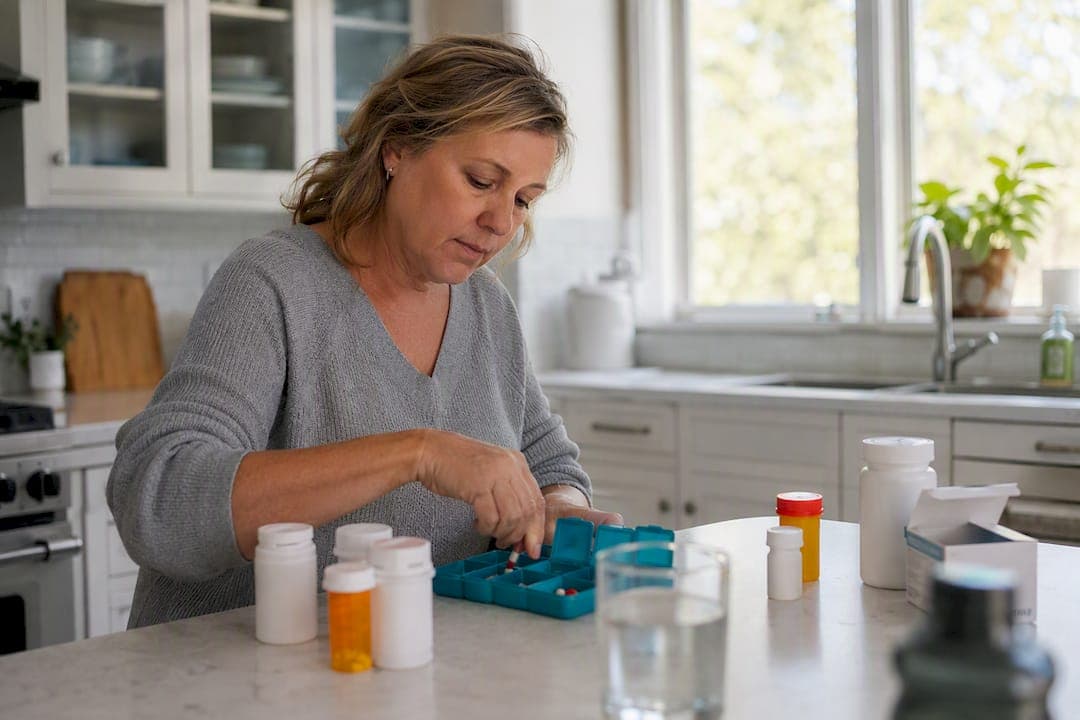
A drug interaction happens when another substance, whether it's a food, drink, supplement or second medicine, changes how a drug behaves in your body. The most frequent troublemakers are grapefruit, alcohol, St John's wort, NSAIDs, decongestants and blood thinners like warfarin. If you spot a warning or suspect something's wrong, never stop a prescribed medicine on your own. Check your full medicines list against it and ring a pharmacist or GP the same day.
TL;DR:
- Most drug interactions involve either enzyme inhibition, like grapefruit blocking metabolism, or enzyme induction, as St John's wort does, affecting drug levels unpredictably.
- People with multiple prescriptions, reduced organ function, or older age face a significantly higher risk of harmful interactions that often go unnoticed.
- Symptoms such as confusion, unexplained bruising, or blood pressure swings can indicate dangerous interactions, requiring immediate medical attention.
- Maintaining a current, shared medicines list and consulting professionals for any new supplement or medicine significantly reduces missed interactions.
- Automated tools like The Daily Dose Tracker help monitor medicines in real-time, preventing exposure to hidden risks caused by fragmented information.
Table of Contents
- What is a drug interaction and why warnings vary
- Common culprits: medicines, foods, alcohol and supplements
- Who faces higher risk, and when interactions actually show up
- Signs and symptoms that may signal an interaction
- How to check for and prevent interactions: a practical checklist
- What to do if you suspect a drug interaction
- How shared medication lists close the gaps that cause missed interactions
- Making interaction checks part of everyday care
- Keep your household's medicines checked automatically, not from memory
- Where to check further
- Sources
What is a drug interaction and why warnings vary
Interactions fall into two camps, and knowing which one you're dealing with tells you a lot about how serious it might be.
Pharmacokinetic interactions change how your body handles a drug, altering how much of it gets absorbed, how it's distributed, broken down, or cleared out. Most of these involve enzymes in your liver, particularly the cytochrome P450 family, which does the heavy lifting of metabolising most oral medicines. One drug can either block an enzyme (inhibition), letting another drug build up to dangerous levels, or ramp the enzyme's activity up (induction), which burns through a second drug too fast and leaves it underdosed. Grapefruit is the textbook inhibition example. St John's wort is the textbook induction example, and the two work in almost opposite directions.
Pharmacodynamic interactions don't touch how a drug moves through your body at all. They happen when two substances push in the same direction on the same system, or fight each other. Taking a sedating antihistamine alongside a sleeping tablet piles two depressant effects on top of each other, so you end up far drowsier than either drug alone would cause.
Interaction checkers and drug labels typically flag risk using severity ratings:
- Major – potentially life-threatening or requiring urgent action.
- Moderate – may need a dose change, extra monitoring, or timing adjustment.
- Minor – usually low risk but worth being aware of.
These labels are a guide, not a diagnosis. NHS SPS's mechanism guidance is written for clinicians precisely because judging real-world risk depends on the person taking the drug, not just the drug pairing itself.
Common culprits: medicines, foods, alcohol and supplements
Some combinations show up again and again in pharmacy warning systems, and most fall into a handful of predictable categories.
- Grapefruit and grapefruit juice inhibit the gut enzyme that normally breaks down certain drugs before they reach the bloodstream. Grapefruit affects many medications this way, including several statins, some calcium channel blockers and immunosuppressants, pushing blood levels far higher than intended.
- Alcohol adds to the sedative effect of opioids and benzodiazepines and puts extra strain on the liver when combined with paracetamol, raising the risk of liver injury even at doses that seem modest on their own.
- St John's wort, a herbal supplement often taken for low mood, induces liver enzymes and can quietly reduce the effectiveness of oral contraceptives, anticoagulants and some antiviral medicines.
- NSAIDs (ibuprofen, naproxen) combined with blood thinners raise bleeding risk substantially, since both interfere with clotting through different routes.
- Decongestants containing pseudoephedrine constrict blood vessels, which is exactly why they can raise blood pressure and pose particular risks for anyone with heart disease, diabetes or thyroid disease.
A single glass of grapefruit juice can interfere with a drug's metabolism for up to 24 hours, so spacing the drink and the dose apart doesn't reliably solve the problem the way it does with some food interactions.
Certain drugs deserve extra caution regardless of what they're paired with, because the gap between an effective dose and a harmful one is narrow. Warfarin, digoxin and some antiepileptics fall into this "narrow therapeutic index" category, where even a small shift in blood levels can tip from too little effect to toxicity.
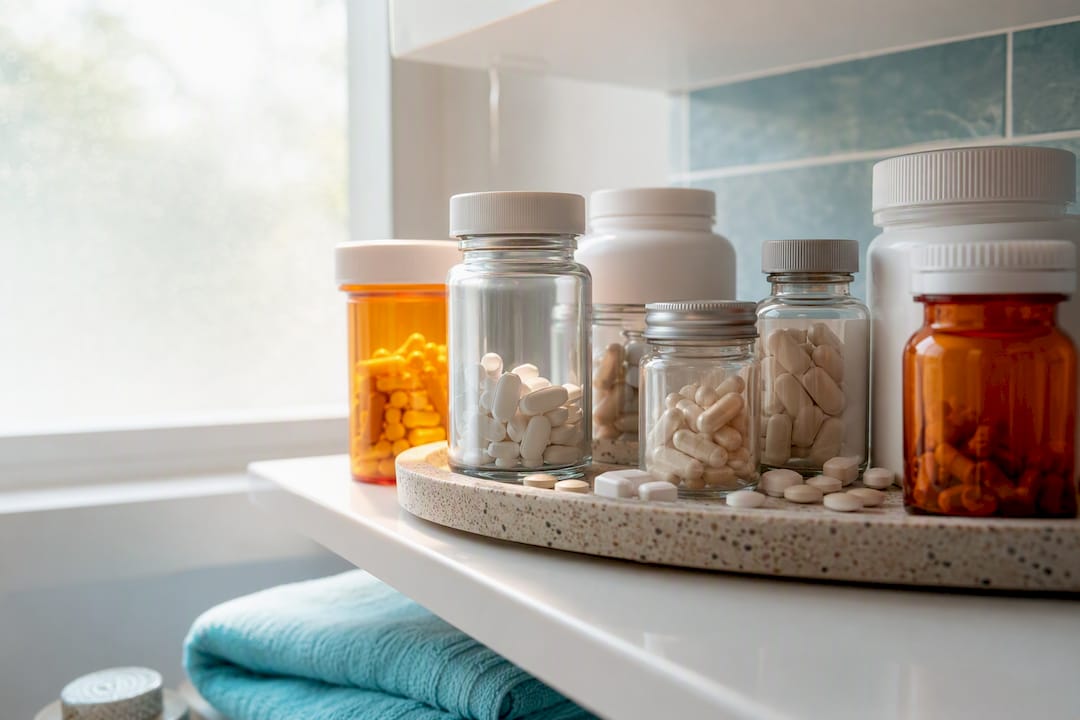
Who faces higher risk, and when interactions actually show up
Age and the sheer number of medicines someone takes matter more than any single drug pairing.
People juggling five or more prescriptions, a situation doctors call polypharmacy, face compounding risk with every medicine added. Liver or kidney impairment slows how drugs clear the body, letting levels build unexpectedly. Frailty and older age both reduce the body's margin for error, and having multiple prescribers who don't see each other's notes is one of the most common reasons a dangerous combination slips through unnoticed.
Risk climbs with:
- Taking multiple medicines from different prescribers who aren't coordinating.
- Reduced liver or kidney function.
- Older age combined with frailty.
- Recent hospital discharge or a change in care setting.
Care homes are a documented weak point. Adverse reactions in older patients are frequently blamed on disease progression rather than recognised as a preventable interaction, partly because symptoms like confusion or fatigue look exactly like normal decline. A structured screening workflow at every medicine change catches far more of these than relying on memory.
Timing matters too. Some interactions hit within hours, alcohol and sedatives being the obvious case. Others build slowly. Enzyme induction from something like St John's wort can take a week or longer to fully lower a drug's effectiveness, which is exactly why a "nothing's changed" feeling in the first few days doesn't mean you're in the clear.
Pro Tip: If you've started a new supplement or herbal remedy, mark the date somewhere visible. Delayed interactions are far easier to trace back when you know exactly when the change happened.
Signs and symptoms that may signal an interaction
Symptoms cluster into a few recognisable patterns, though older adults often present differently from the textbook description.
- Central nervous system signs: unusual drowsiness, confusion, dizziness, or slurred speech.
- Cardiovascular signs: palpitations, a racing heart, or sudden changes in blood pressure.
- Bleeding or bruising: unexplained bruises, nosebleeds, blood in urine or stool, particularly relevant with blood thinners and NSAIDs together.
- Gastrointestinal upset: nausea, vomiting, or new stomach pain.
- Non-specific signals in older adults: an unexplained fall, sudden new confusion, or a drop in appetite. These are commonly the only clue, and they're the ones most often dismissed as "just getting older."
Seek emergency help immediately for severe breathing difficulty, collapse, chest pain, uncontrolled bleeding, or seizures. None of these should wait for a routine appointment.
How to check for and prevent interactions: a practical checklist
Most missed interactions come down to one thing: nobody had the full picture. A prescriber sees their own prescription, a pharmacist sees what's dispensed, and the supplement bottle on the kitchen shelf sees nobody at all.
Start with a single, current medicines list covering everything, prescription drugs, over-the-counter remedies, vitamins, herbal supplements, and anything recreational. Update it the moment something changes, not at the next appointment.
- Ask a pharmacist to run an interaction screen whenever a medicine is added, stopped or changed dose.
- Read the patient information leaflet on new medicines, particularly the interaction and food warnings.
- Avoid mixing alcohol with sedatives, opioids or anything flagged with a drowsiness warning.
- Check timing instructions. Some drugs need spacing from food, antacids or other medicines by hours, not minutes.
- Share the list with every provider you see, GP, pharmacist, dentist, specialist, so nobody is working from a partial picture.
Online interaction checkers are a useful first screen, but severity ratings from these tools are general guidance, not personalised risk assessment. A "moderate" flag for a healthy 30-year-old might be genuinely risky for someone with reduced kidney function. Treat the checker as a prompt to ask a professional, not the final word, and lean on dedicated review tools built for that comparison rather than a generic search result.
Pro Tip: Take a photo of every medicine's box and dosage instructions before a clinic visit. It's faster than describing pills from memory, and it stops the classic "small white tablet, I think" guessing game.
Newer medicine classes need the same scrutiny as long-standing ones. Guidance on GLP-1 medication safety is a useful reminder that interaction risk isn't limited to old, familiar drugs, it applies just as much to anything recently added to a routine.
What to do if you suspect a drug interaction
- Don't stop a prescribed medicine on your own. Stopping abruptly can cause its own harm, sometimes worse than the interaction itself. Call the prescriber or a pharmacist first.
- Pause non-essential extras. If you suspect an over-the-counter product or supplement, it's usually safer to stop that one after checking with a pharmacist, rather than touching the prescription.
- Call 999 or go to A&E for emergency signs: severe breathing problems, collapse, chest pain, uncontrolled bleeding, or loss of consciousness.
- Prepare properly for a pharmacist or GP review. Bring your full medicines list, the actual packaging if possible, and a note of exactly when symptoms started relative to when you took the new medicine.
Some interactions, once flagged, don't mean stopping treatment at all. Clinical guidance points out that many predictable interactions can be managed safely with dose adjustment and monitoring rather than withdrawal, which is why that pharmacist call matters more than guessing.
How shared medication lists close the gaps that cause missed interactions
Most missed interactions aren't a knowledge problem, they're a visibility problem. One prescriber doesn't see what another added; a supplement never makes it onto any official record at all.
Thedailydosetracker was built around that gap. It lets carers and patients keep one shared, live medicines list across a household, run automated interaction checks whenever something's added, and export that list directly for a clinician appointment rather than reconstructing it from memory in the waiting room. Everything runs under UK GDPR compliance, with multi-device access so a carer checking in from work sees the same list as whoever's at home.
Practical features that map onto the checklist above:
- Shared medicine lists across multiple people in one household.
- Automated interaction and condition-specific checks on every new entry.
- Clinician-ready export for appointments.
- Real-time alerts for doses due, overdue, or refills running low.
Making interaction checks part of everyday care
Most interaction failures aren't caused by ignorance. They're caused by information sitting in three different places: a GP's system, a pharmacist's till receipt, and a supplement bottle nobody mentioned. Fix the visibility problem and most of the risk disappears with it.
Three habits genuinely move the needle. First, update the medicines list the moment anything changes, not at the next appointment. Second, treat every new supplement or OTC purchase as worth a two-minute pharmacist conversation, even the "harmless" herbal ones. Third, assume nobody else has the full picture unless you've actively shared it, because most patients assume pharmacists get notified of prescription changes automatically, but mostly, they don't.
None of this requires medical training. It requires a habit, and a place to keep the list that isn't a scrap of paper by the kettle.
— Prasant
Keep your household's medicines checked automatically, not from memory
Reading a checklist is one thing. Running it every single time a medicine changes, for yourself or for someone you're caring for, is another. Thedailydosetracker turns the checklist into something automatic: add a medicine once, and the platform screens it against everything else on the list instead of leaving that job to memory or a rushed pharmacy counter conversation.
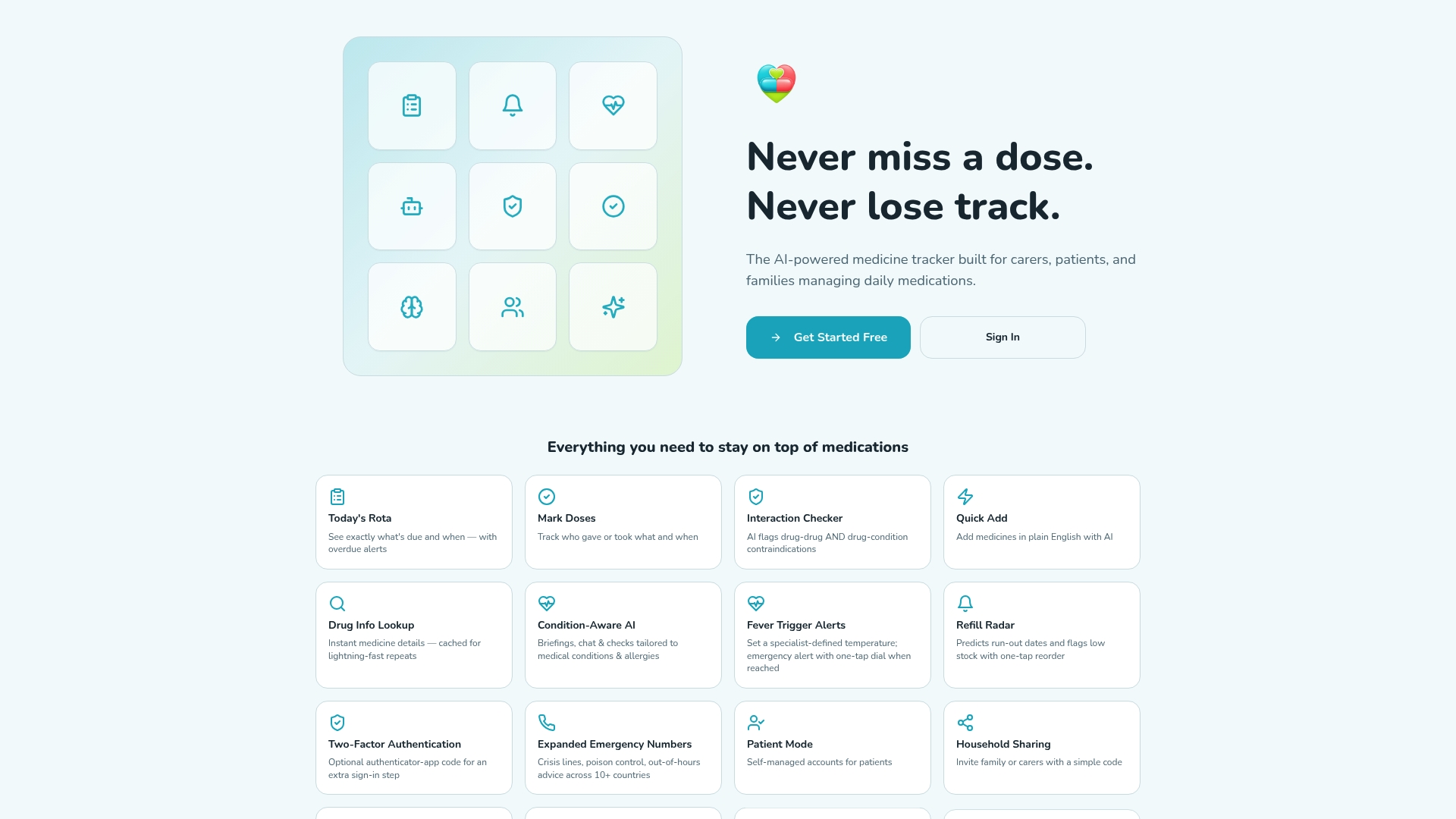
The free tier covers the essentials: shared medicine lists, dose reminders, and basic interaction checks, enough for most single-patient households. Individual and Pro subscriptions unlock deeper AI-based insights, multi-patient management for families juggling several relatives' medicines, and clinician-ready export, useful when you're managing more than one person's prescriptions at once. Everything runs under UK GDPR compliance, with dark mode and font adjustments built in for accessibility. If you're managing medicines for yourself or someone else, set up your medicines list on The Daily Dose Tracker and let the checks run in the background instead of relying on remembering what's in the cupboard.
Where to check further
- NHS SPS: mechanism detail for clinicians and informed patients.
- Gov: alerts on anticoagulant monitoring.
- FDA interactions guidance: practical label-reading advice.
This article is general information, not a substitute for advice from a qualified doctor. Consult a qualified healthcare professional about your own circumstances before acting on anything here.
Sources
- BMJ: Grapefruit–drug interactions
- British Heart Foundation: hay fever medicines and heart conditions
- BJGP: adverse drug reactions in older patients often misattributed
- NHS SPS: Understanding drug interactions
- Gov