
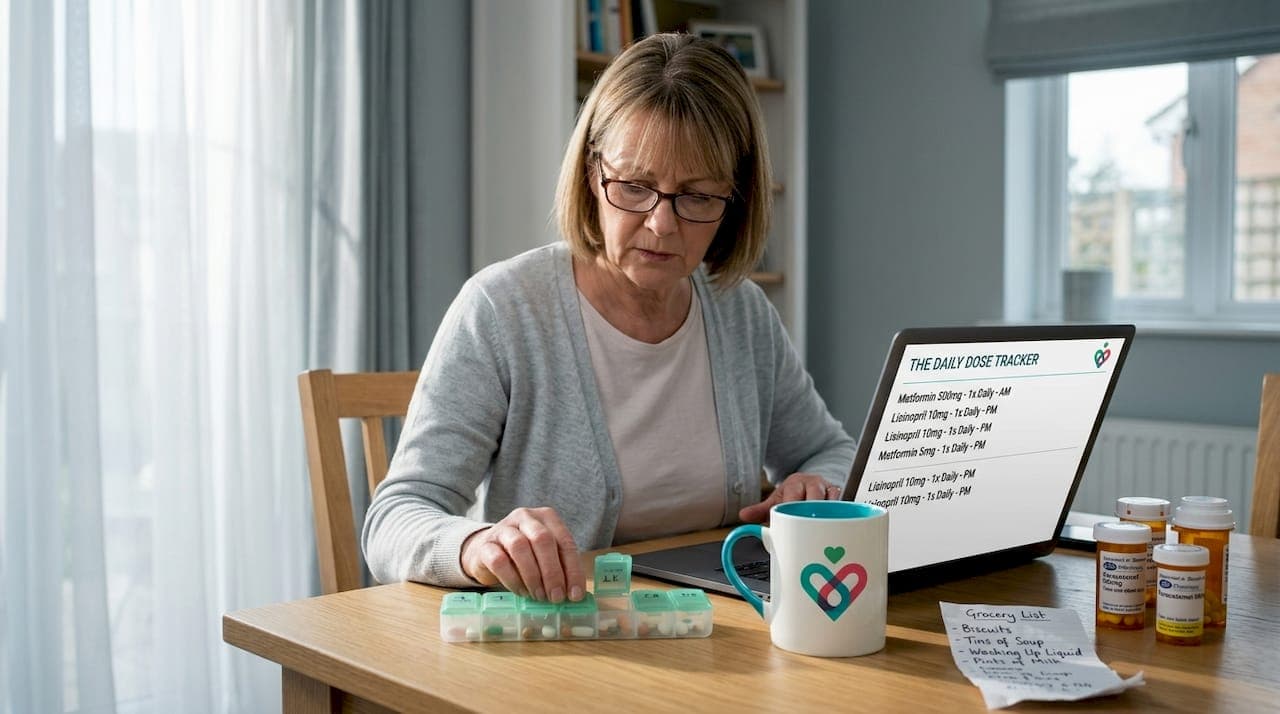
Managing multiple medicines at home carries a hidden risk that many families underestimate. Polypharmacy increases drug interaction risk, with 60.13% of patients discharged on five or more medicines experiencing potential interactions. For family carers juggling prescriptions, supplements, and over-the-counter remedies, that statistic is not abstract — it is a daily reality. Digital drug interaction checks have emerged as a practical, evidence-based safeguard, helping carers, patients, and healthcare providers spot dangerous combinations before harm occurs. This article explains how these tools work, what they genuinely deliver, where their limits lie, and how to use them wisely as part of a safer medication routine.
Table of Contents
- What are digital drug interaction checks?
- Key benefits for families, patients, and providers
- Accuracy, limitations, and how to choose the right tool
- Practical tips for safer medication routines
- The real-world impact: wisdom, challenges, and what's next
- Making medication safety easier with The Daily Dose Tracker
- Frequently asked questions
Key Takeaways
| Point | Details |
|---|---|
| Reduces medication risks | Digital checks help identify dangerous drug combinations especially in polypharmacy. |
| Empowers care at home | Patients and carers gain the ability to proactively manage complex regimens. |
| Accuracy matters | Using more than one reputable digital checker increases reliability and safety. |
| Not a full replacement | Professional advice remains crucial for complex or high-risk cases despite digital support. |
| Stay informed and proactive | Combining technology with ongoing communication keeps medication routines safest. |
What are digital drug interaction checks?
Digital drug interaction checks are computerised tools that scan a list of medicines and flag combinations that could cause harm. They range from free consumer apps to professional-grade subscription databases and built-in modules inside electronic health records (EHRs). The core function is always the same: cross-reference two or more drugs against a database of known interactions and produce a risk rating.
You will encounter these tools in several forms:
- Consumer apps and websites — free or low-cost, designed for patients and carers who want a quick check at home
- Professional subscription databases — such as Lexicomp, Micromedex, and Epocrates, used by pharmacists, GPs, and hospital teams for detailed clinical guidance
- Clinical decision support systems (CDSS-DI) — integrated directly into prescribing software, so a warning appears automatically when a clinician enters a new medicine
The distinction matters. A free app might tell you "interaction detected" without explaining severity or what to do next. A professional tool will often classify the interaction by mechanism, severity, and recommended action. CDSS-DI integrated into EHRs modestly but meaningfully influences prescribing behaviour, with an odds ratio of 2.08, meaning clinicians are roughly twice as likely to adjust a prescription when a digital alert fires.
For carers managing an elderly parent on eight medicines, or a patient newly discharged from hospital with a complex regimen, understanding which type of tool you are using is the first step to using it well. You can explore a curated list of important links to help you identify reputable resources.
Pro Tip: Never rely on a single tool alone. Cross-check flagged interactions using at least two reputable databases, and always bring results to your pharmacist or GP before making any changes.
Key benefits for families, patients, and providers
Once you understand what digital interaction checks are, the next question is straightforward: do they actually help? The evidence says yes, though the benefit depends heavily on how you use them.
For family carers, the most immediate benefit is early warning. When you add a new medicine to an existing regimen, a digital check can flag a potential problem within seconds. That is far faster than waiting for a GP appointment or a pharmacy callback. Carers managing five or more medicines for a loved one are particularly at risk of missing interactions that build up gradually over time.
For patients, these tools build confidence. Knowing that you have checked your medicines before taking them reduces anxiety, especially after a hospital discharge when regimens often change significantly. Digital consult tools such as Epocrates and Micromedex flag interactions in polypharmacy and can reduce emergency room visits when used with carer support.
For healthcare providers, the benefits extend to prescribing quality and deprescribing. Deprescribing means safely reducing or stopping medicines that are no longer needed or that carry more risk than benefit. CDSS significantly reduced potentially inappropriate medication (PIM) initiation by up to 18% and improved deprescription rates to 55.4% in older people. That is a meaningful clinical outcome.
Key benefits at a glance:
- Catches dangerous drug combinations before the first dose is taken
- Supports carers in spotting medication risks at home, particularly with complex regimens
- Helps doctors and pharmacists make safer prescribing and deprescribing decisions
- Builds patient and carer confidence through clear, actionable guidance
- Reduces potentially inappropriate medicines and associated emergency visits
"The goal is not to replace clinical judgement but to give carers and patients a reliable first line of defence — a way to ask the right questions before harm occurs."
Integrating digital checks into your daily routine is easier when they sit alongside your existing medication log. The Daily Dose Tracker app combines scheduling, dose logging, and interaction alerts in one place, making it simpler to act on flagged risks without switching between multiple platforms. You can also browse important links for further guidance on building a safer home medication routine.
Pro Tip: When a digital tool flags an interaction, write it down and bring the exact wording to your next pharmacist consultation. Pharmacists are trained to interpret these alerts in the context of your specific health conditions and doses.
Accuracy, limitations, and how to choose the right tool
This is where many people get caught out. Digital drug interaction checkers are not all equal, and understanding their limitations is just as important as understanding their benefits.
Accuracy varies widely. Subscription tools like Lexicomp and Micromedex score highest in accuracy, with Lexicomp achieving a sensitivity of 0.96 and a positive predictive value (PPV) of 0.88 to 0.97. In plain terms, Lexicomp catches nearly all real interactions and rarely raises false alarms. Free consumer tools perform considerably worse, sometimes missing clinically significant interactions entirely.
Inter-tool agreement is poor. This is perhaps the most surprising finding. Two reputable tools can disagree on whether a specific drug pair poses a risk, or on how serious that risk is. This is particularly common with psychiatric medicines, anticoagulants, and complex polypharmacy regimens. It means that a single negative result does not guarantee safety.
Alert fatigue is a real problem. When a system generates too many warnings, clinicians and carers start ignoring them. Some CDSS tools flag interactions so frequently that override rates exceed 90%, meaning most alerts are dismissed. The SFINX database addresses this by using structured standard operating procedures (SOPs) and focusing on clinical relevance, actively trying to avoid unnecessary alerts that contribute to fatigue.
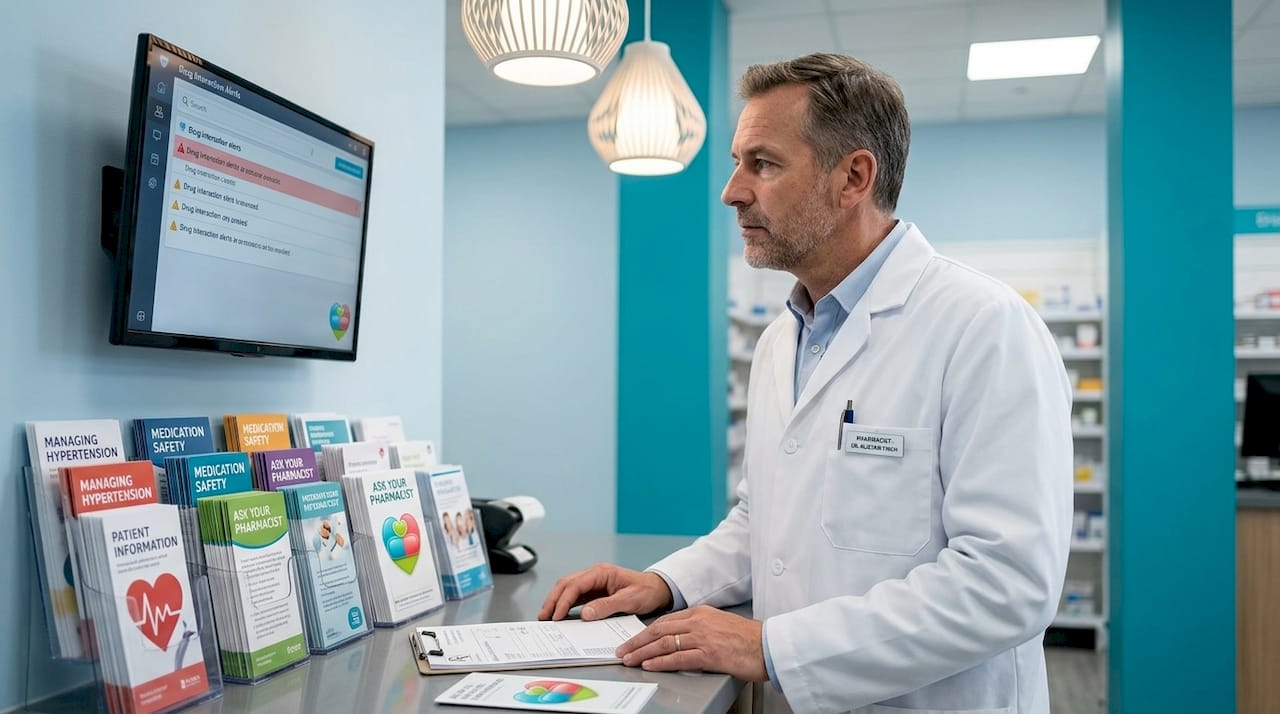
What these tools cannot do is account for patient-specific factors such as kidney function, genetic variations in drug metabolism, body weight, or the timing of doses. A tool might flag a moderate interaction between two medicines without knowing that your relative takes a low dose of one and has excellent kidney function, making the real risk much lower than the alert implies.
Comparison of common digital drug interaction tools
| Tool | Best for | Accuracy | Cost | Alert quality |
|---|---|---|---|---|
| Lexicomp | Clinicians, pharmacists | Very high (sensitivity 0.96) | Subscription | Detailed, evidence-graded |
| Micromedex | Hospital teams, GPs | High | Subscription | Comprehensive, clinical |
| Epocrates | GPs, nurse practitioners | Moderate to high | Free/Premium | Clear, practical |
| SFINX | Clinical settings | High, low false alerts | Subscription | Structured, relevant |
| Consumer apps | Home use, quick checks | Variable, often lower | Free | Basic, limited context |
Key features to look for when choosing a tool:
- Clarity of output — does it explain what the interaction means in plain language?
- Evidence quality — is the database updated regularly and referenced to clinical studies?
- Severity grading — does it distinguish between minor, moderate, and major interactions?
- Custom advice — does it offer guidance based on dose or patient type?
- Ease of use — can a carer or patient navigate it without clinical training?
You can find links to vetted resources through our important links page, which is updated regularly to reflect current best practice.
Practical tips for safer medication routines
Knowing that digital tools exist is one thing. Building them into a consistent, reliable routine is another. Here is a step-by-step framework that works for carers, patients, and healthcare providers alike.
-
List every medicine, supplement, and remedy. This includes prescribed drugs, over-the-counter medicines, herbal supplements, vitamins, and anything else taken regularly or occasionally. Many interactions involve supplements such as St John's Wort or high-dose fish oil, which people often forget to mention.
-
Run a check on a reputable platform. Use at least one professional-grade tool if possible. If you only have access to a free app, treat the result as a starting point rather than a definitive answer.
-
Record any flagged interactions. Note the drug pair, the severity rating, and the recommended action. Keep this record with your medication list so you can share it easily.
-
Consult your pharmacist or GP for any flagged risk. A pharmacist can assess whether a flagged interaction is clinically relevant for your specific situation. Do not stop or change a medicine without professional advice.
-
Report new symptoms promptly. If a new side effect appears after starting or changing a medicine, report it to your healthcare team straight away. Some interactions only become apparent after days or weeks of combined use.
-
Double-check high-risk combinations. For anticoagulants, antiepileptics, antidepressants, or immunosuppressants, always use more than one tool. Poor inter-checker consistency means a single negative result carries less weight for high-risk drug classes.
-
Review the full regimen regularly. Medication needs change over time. A check that was clear six months ago may need repeating if a new medicine has been added or a dose has changed.
The Daily Dose Tracker app makes steps one and three significantly easier by maintaining a live medication list and logging doses automatically, so you always have an accurate, up-to-date record to run through an interaction checker.
Pro Tip: Set a reminder to review your full medication list every three months, or immediately after any hospital visit, GP appointment, or significant change in health status. Interaction risks shift as regimens evolve.
The real-world impact: wisdom, challenges, and what's next
There is a temptation to see digital drug interaction checks as a complete solution. They are not, and it is worth being honest about that.
Systematic reviews show that while CDSS tools change prescribing behaviour, their impact on actual patient outcomes — harm reduction, hospital admissions, mortality — remains mixed. The tools influence what clinicians do, but translating that into measurable patient benefit is harder to demonstrate consistently. Optimists rightly point out that better accuracy, smarter alert design, and integration with patient-specific data could change this picture significantly in the coming years.
But here is the uncomfortable truth that technology enthusiasts sometimes overlook: a tool is only as useful as the person interpreting it. A carer who receives a "moderate interaction" alert and does not know whether to act on it, or a clinician who dismisses a warning because alert fatigue has worn down their vigilance, gains little from even the most accurate database. The technology does not make decisions. People do.
What genuinely drives better outcomes is a combination of three things working together. First, accessible, understandable tools that carers and patients can actually use without a clinical degree. Second, clear pathways to professional advice when a flag is raised. Third, a culture of ownership — where patients and carers feel empowered to ask questions, push back on prescriptions, and take an active role in their own safety rather than passively accepting whatever they are given.
Digital checks are most powerful when they are a conversation starter, not a conversation ender. When a carer brings a flagged interaction to a pharmacist and says "I ran a check and this came up — can you help me understand it?", that is the system working as it should. The technology creates the moment; the human relationship resolves it.
Looking ahead, AI-powered tools that incorporate individual patient data — kidney function, genetic markers, real-time dose records — will reduce the gap between a generic alert and a genuinely personalised recommendation. Until then, thoughtful use, multiple checks, and open communication with healthcare professionals remain the most reliable safeguard. You can stay informed about trusted resources through our important links page as the landscape continues to develop.
Making medication safety easier with The Daily Dose Tracker
Digital interaction checks are most effective when they sit within a broader, well-organised medication routine. Isolated checks are helpful; checks that are connected to a live, accurate medication record are far more powerful.
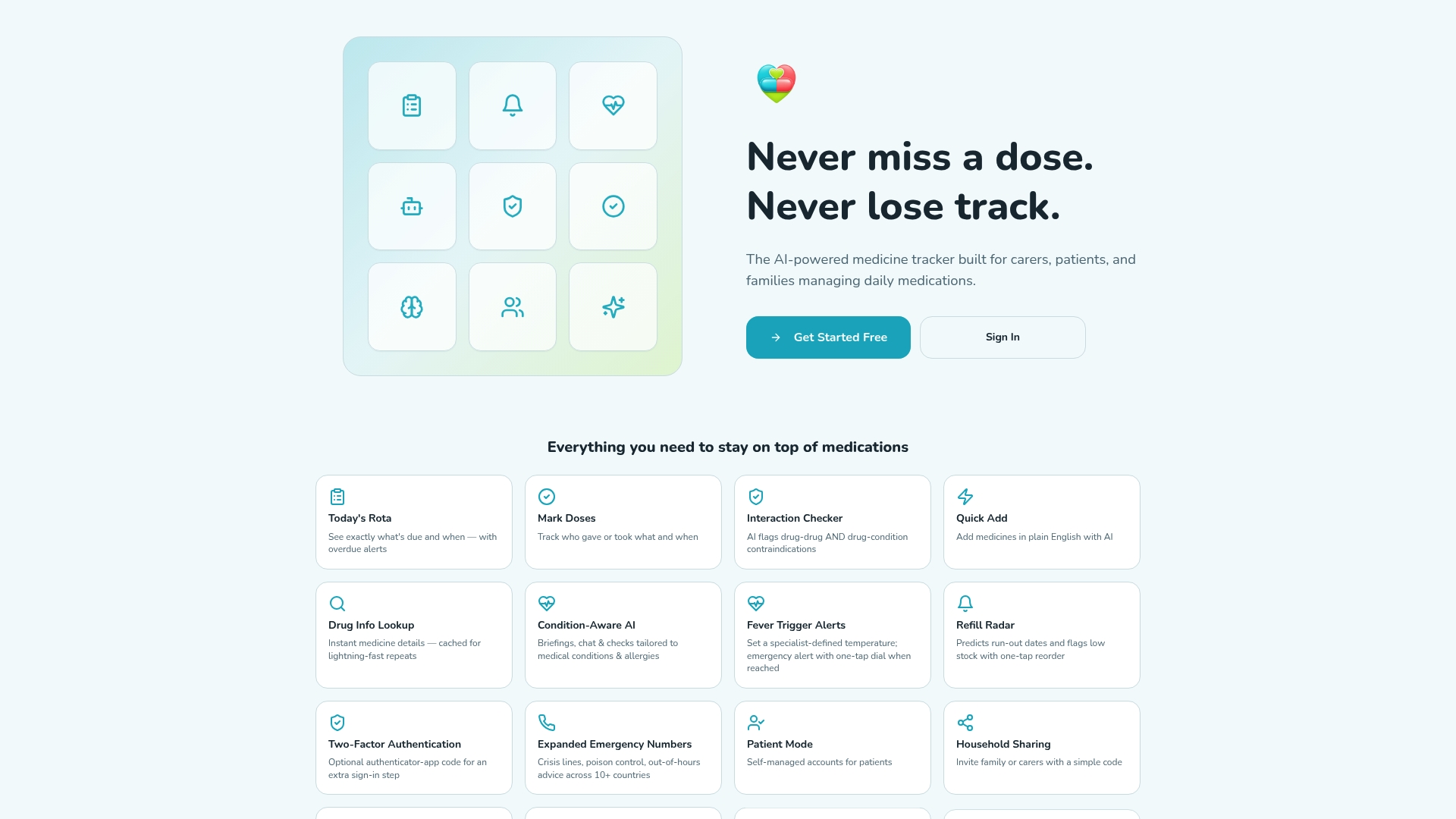
The Daily Dose Tracker is built precisely for this purpose. It brings together medication scheduling, dose logging, real-time alerts, and drug interaction checks in a single, secure platform designed for families, carers, and healthcare providers. You can manage multiple patients, share access across household members, and receive alerts for due or overdue doses — all while keeping a complete, accurate medicine list ready to run through an interaction checker at any time. The platform complies with UK GDPR standards, so your data stays private and protected. Explore the full range of security features and discover how The Daily Dose Tracker can support safer, more confident medication management for your family or care team today.
Frequently asked questions
How accurate are digital drug interaction checks for home use?
Top-rated tools like Lexicomp achieve high accuracy, with a sensitivity of 0.96 and a positive predictive value of 0.88 to 0.97, but agreement between different tools is often poor, so results should always be verified carefully rather than taken at face value.
Can digital drug interaction apps replace seeing a pharmacist or doctor?
No — these tools provide fast, useful guidance, but they miss patient-specific factors such as dose, kidney function, and genetics, making personalised advice from a pharmacist or GP essential for any complex or high-risk situation.
Do digital checks really make a difference in preventing emergencies?
Used alongside carer support, digital consult tools can help reduce emergency visits for people managing multiple medicines, though impact on patient harm or mortality varies across different studies and settings.
What types of medicines and supplements should I check?
Always include every prescribed medicine, over-the-counter drug, herbal remedy, and dietary supplement when running an interaction check, particularly when starting a new medicine or changing a dose in an existing regimen.